'%3e%3ccircle%20id='Ellipse_59'%20data-name='Ellipse%2059'%20cx='3'%20cy='3'%20r='3'%20transform='translate(11%208.786)'%20fill='none'%20stroke='%23f7941d'%20stroke-linecap='round'%20stroke-linejoin='round'%20stroke-width='2'/%3e%3cpath%20id='Path_82'%20data-name='Path%2082'%20d='M14,2A10,10,0,0,0,4,12a8.048,8.048,0,0,0,1.875,5.625L14,27l8.125-9.375A8.048,8.048,0,0,0,24,12,10,10,0,0,0,14,2'%20transform='translate(0%200)'%20fill='none'%20stroke='%23f7941d'%20stroke-linecap='round'%20stroke-linejoin='round'%20stroke-width='2'/%3e%3c/g%3e%3c/svg%3e)


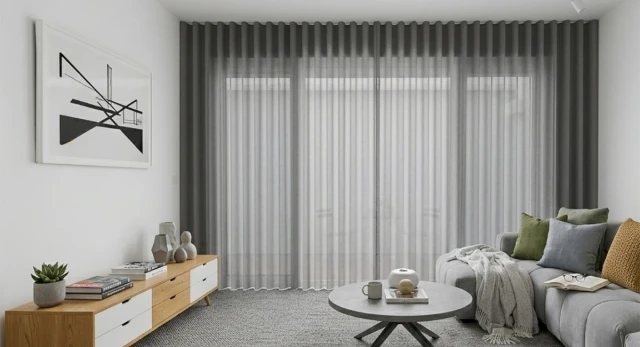
How to soften large, connected rooms while keeping the light, flow and openness you love
Open-plan living is one of the great joys of Australian homes.
The kitchen connects to the dining area. The living room opens to the garden. Sliding doors pull the outside in. Light moves through the space from morning to afternoon.
It feels generous, relaxed and easy to live in.
But open-plan spaces can also feel exposed.
Large windows can bring glare. Hard floors and stone benchtops can make the room feel sharp. Big glass doors can look bare at night. A space that feels bright and open during the day can feel unfinished once the sun goes down.
This is where sheer curtains can make a beautiful difference.
They soften the light, add movement and help open-plan rooms feel more layered. They also create a gentle sense of privacy without taking away the airy feeling that makes these spaces so appealing.
In this guide, we will walk through how to style open-plan spaces with sheer curtains, where to use them, how to choose the right fabric and colour, and how to create a polished finish that feels calm, practical and easy to live with.
Why Open-Plan Spaces Need Softness
Open-plan rooms are often built around light and space.
They may have large windows, sliding doors, tiled floors, timber flooring, stone benchtops and clean-lined furniture.
These finishes look modern and fresh, but they can also make a room feel a little hard.
Without fabric, the space may feel echoey, bright or visually flat.
Sheer curtains help balance this.
They bring softness to the edges of the room. They make large windows feel finished. They help filter natural light so it spreads through the space more gently.
Most importantly, they do all this without blocking the open feeling.
That is why sheer curtains work so well in living, dining and kitchen zones. They add comfort without adding clutter.
How Sheer Curtains Change an Open-Plan Room
A sheer curtain is not just a fabric panel across a window.
In an open-plan room, it can change the whole mood of the space.
When sunlight passes through sheer fabric, the light becomes softer. Glare feels less harsh. The room still feels bright, but calmer.
The fabric also adds a vertical line, which can make ceilings feel higher and windows feel larger. When installed across a wide span, sheer curtains can create a wall of softness that brings the whole open-plan area together.
They are especially helpful when one room has several functions.
A kitchen needs to feel fresh and practical. A dining area needs warmth. A living zone needs comfort. Sheer curtains help connect these zones with one continuous, gentle finish.
1. Use Sheer Curtains to Soften Large Windows and Sliding Doors
Large windows and sliding doors are common in open-plan homes.
They let in beautiful light and connect the living space to the outdoors. But they can also create strong glare, heat and a sense of exposure.
Sheer curtains soften the glass.
They make the window feel less bare while still allowing daylight to move through. This is especially useful across wide sliding doors, where blinds can sometimes feel more structured or segmented.
A full-height sheer curtain can make the whole wall feel calmer.
For the best effect, hang the track high and wide where possible. This makes the window look larger and allows the fabric to stack away neatly when open.
If the doors are used often, plan the curtain stack carefully so it does not block the walkway.
2. Create Zones Without Closing the Space
One challenge with open-plan living is zoning.
You may want the kitchen, dining and living areas to feel connected, but not all blended into one large space.
Sheer curtains can help create a subtle boundary.
They do not build a wall. They do not stop light. But they give the room a softer edge and help define where one zone begins and another ends.
For example, a wide wall of sheers behind the living area can anchor the lounge setting. A sheer curtain across a dining window can make the dining zone feel more intimate. In an apartment, ceiling-mounted sheers can make a combined living and dining space feel more designed.
This is the beauty of styling with fabric.
It can shape a room without making it feel smaller.
3. Add Daytime Privacy Without Losing Light
Open-plan rooms often face the street, a side boundary, a neighbour or a shared outdoor area.
You may want privacy during the day, but you still want the room to feel bright.
Sheer curtains are ideal for this balance.
They help blur the view from outside while still allowing natural light to enter the room. This makes them a smart choice for front living rooms, townhouses, apartments and homes with large windows close to neighbouring properties.
It is important to understand how privacy changes at night.
Sheer curtains offer their best privacy during the day, when it is brighter outside than inside. At night, when your lights are on, they will not provide full privacy on their own.
If your open-plan space needs privacy after dark, pair your sheers with blockout curtains, blockout blinds or another solid window covering.
For a full foundation on how sheers work with light and privacy, read the Complete Guide to Sheer Curtains.
4. Choose the Right Fabric Texture
Fabric texture matters in an open-plan space.
Because the curtains may cover a large area, the texture becomes part of the room’s design.
A smooth sheer fabric gives a clean and modern look. It suits contemporary homes, apartments and spaces with crisp white walls or minimal furniture.
A linen-look or textured sheer feels more relaxed. It works well with timber floors, rattan, stone, warm whites, soft neutrals and coastal styling.
A denser sheer can offer more daytime privacy and a more substantial look. A lighter sheer will feel airier and more delicate.
The right choice depends on the room.
If your open-plan area already has many hard surfaces, a textured sheer can help soften the space. If your room is already layered with rugs, cushions and timber, a simpler sheer may keep the look balanced.
Order curtain fabric samples before choosing. View them beside your wall colour, flooring and furniture during different times of the day.
That is the only way to see how the fabric will really behave in your space.
5. Keep Colours Soft and Connected
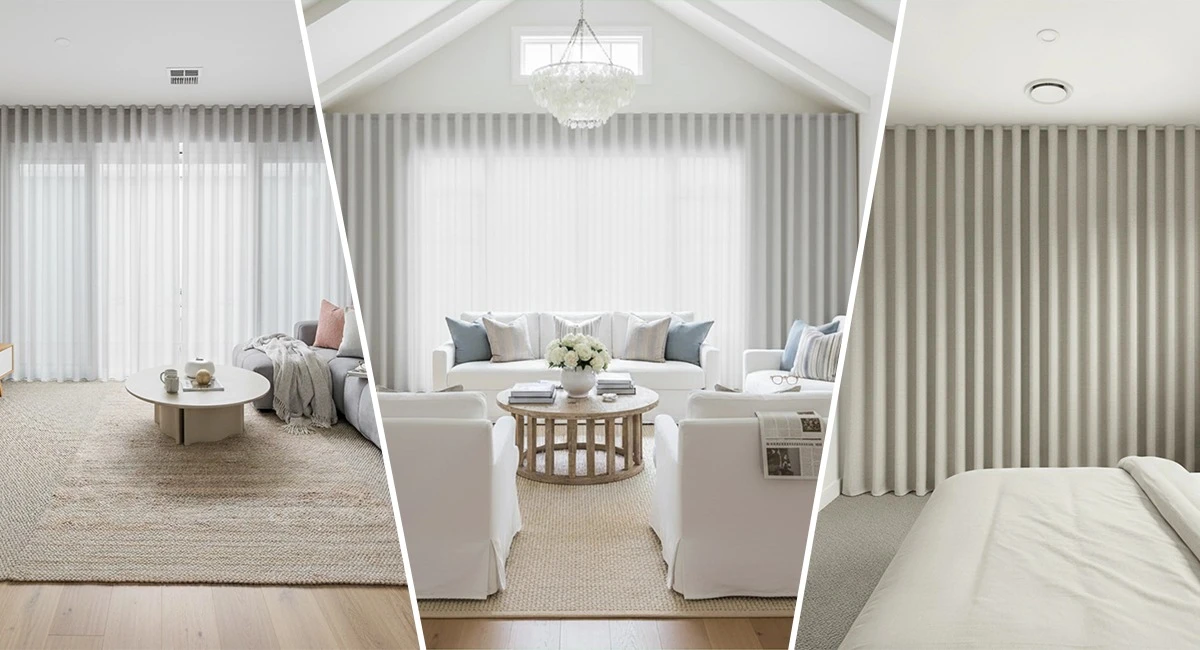
Sheer curtains usually look best when the colour feels connected to the rest of the room.
In open-plan spaces, this matters even more because the curtains may be visible from the kitchen, dining area and living room at the same time.
Warm white and ivory sheers suit homes with timber floors, beige tones, natural stone and soft coastal styling.
Cool white sheers feel fresh and crisp. They work well with modern white walls, pale grey finishes and clean-lined interiors.
Linen, stone and natural tones add warmth and texture. They are a good choice if you want the room to feel relaxed rather than bright white.
Soft grey sheers can suit contemporary apartments and homes with charcoal, concrete or black accents.
A helpful rule is to match the undertone of the room.
Warm room, warm sheer.
Cool room, cooler sheer.
This keeps the open-plan area feeling calm and cohesive.
See easy tips to elevate your sheer curtains.
6. Use S-Fold Sheers for a Clean, Flowing Finish
S-Fold sheer curtains are a strong choice for open-plan spaces.
They hang in smooth, even waves that run from the track to the floor. This gives the room a clean, modern and consistent look.
In a large room, this matters.
The repeated wave helps create rhythm across a wide window or sliding door. It also keeps the curtains looking neat whether they are open, partly closed or fully drawn.
S-Fold sheers are especially effective when installed from ceiling to floor. This draws the eye up and makes the space feel taller.
They also work well across long spans, where the curtain becomes a soft backdrop to the whole room.
If your open-plan space has a simple, modern style, S-Fold sheer curtains will usually feel more streamlined than traditional gathered headings.
7. Think About Curtain Stack Before You Order
Stack is the space the curtains take up when they are open.
This is an important detail in open-plan rooms, especially when sheers are used over sliding doors or wide glass openings.
If the curtain stacks in the wrong spot, it may block a doorway, cover part of the view or get in the way of furniture.
Before ordering, stand in the room and think about how you move through the space.
Do the doors open from the left or right?
Where is the outdoor access?
Is there a sofa, dining table or sideboard near the window?
Would the curtains look better opening from the centre or drawing to one side?
Planning this early helps the finished curtains feel natural to use.
A beautiful curtain should not only look good. It should work with your daily routine.
8. Layer Sheers With Blockout for Evening Comfort
In many open-plan spaces, sheer curtains are enough during the day.
At night, you may need more.
If your living area faces the street or neighbouring homes, layering sheers with blockout curtains can give you full day-to-night control.
The sheer layer is used during the day for softness and privacy. The blockout layer is used at night for stronger privacy, light control and comfort.
This layered look also adds depth to the room.
The sheers keep the space light and relaxed. The blockout layer gives the window a more finished feeling after dark.
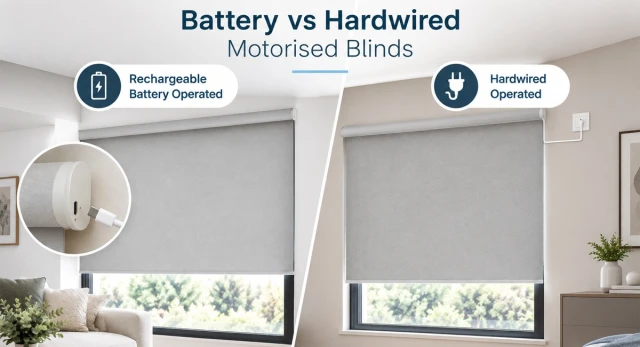
If you prefer a simpler look, you can also pair sheer curtains with blockout roller blinds. This can work well when you want the softness of sheers with the practicality of a blind behind them.
Use the measure curtains guide before ordering so your layers fit properly and have enough room to operate.
9. Style Sheers With the Rest of the Room
Sheer curtains should feel like part of the whole open-plan space.
To make them work, repeat softness elsewhere in the room.
A rug under the sofa can balance the curtain texture. Linen cushions can connect with a linen-look sheer. Timber furniture can warm up a soft white curtain. A woven pendant light can echo the relaxed movement of the fabric.
You do not need everything to match.
In fact, it is better when the room feels layered rather than perfect.
The goal is to create a gentle connection between the curtains and the rest of the space.
If the curtains are warm and textured, let that warmth appear in small details across the room. If the curtains are crisp and white, keep the styling clean and simple.
10. Make the Track Part of the Design
Curtain tracks are not only practical.
They affect the final look.
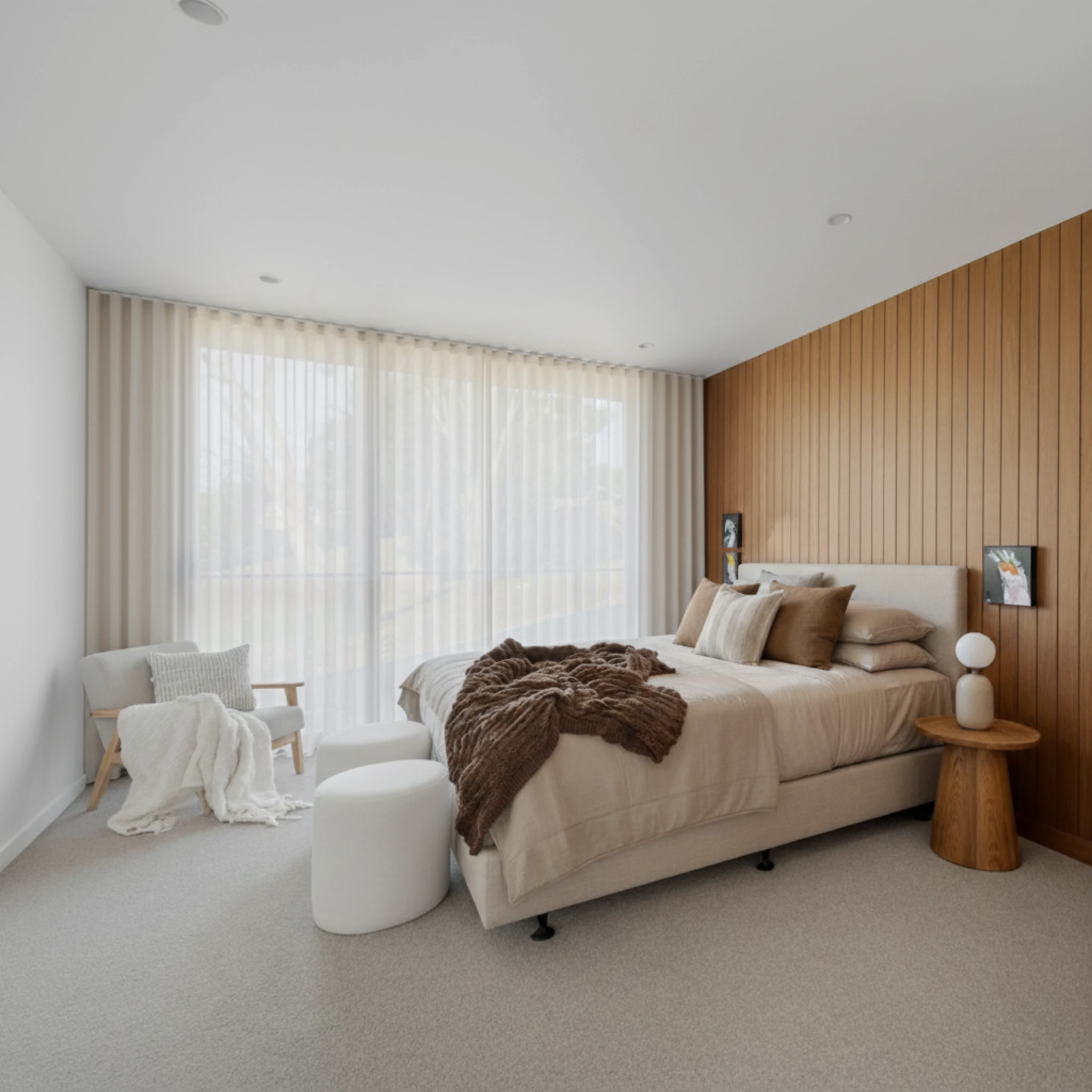
A ceiling-mounted track can make an open-plan room feel taller and more polished. It is a great choice when you want the sheers to look built-in.
A wall-mounted track can still look clean, especially when it is installed high above the window.
The track should feel simple and quiet. In most open-plan rooms, the fabric should be the feature, not the hardware.
If you are installing the curtains yourself, check the install curtains guide before you begin. A straight, well-positioned track makes a major difference to the finished result.
Common Mistakes to Avoid
Choosing sheers that are too bright white
A bright white sheer can look fresh, but it may feel stark in a warm room.
Check samples against your walls and floors before deciding.
Forgetting about night privacy
Sheers are not a full night-time privacy solution on their own.
Layer them if your open-plan room is visible from outside after dark.
Not allowing for curtain stack
Large curtains need somewhere to sit when open.
Plan the stack so it does not block doors, furniture or views.
Hanging the track too low
A low track can make the room feel shorter.
Where possible, install the track higher to create a more elegant line.
Using too little fullness
Sheer curtains need enough fabric to create soft waves.
Without enough fullness, they can look flat and unfinished.
Quick Styling Checklist
Before you order sheer curtains for an open-plan space, ask yourself:
- •
Do I want the sheers to cover one window or create a full wall effect?
- •
Does the room need privacy at night?
- •
Would a warm, cool or natural sheer suit the existing finishes?
- •
Where should the curtains stack when open?
- •
Will the track be ceiling mounted or wall mounted?
- •
Do I need blockout curtains or blinds behind the sheers?
- •
Have I checked fabric samples in the room’s natural light?
- •
Have I measured in millimetres and checked the installation guide?
These questions will help you avoid the most common mistakes and choose a curtain that feels right from the start.
Final Thoughts
Open-plan spaces are designed for light, movement and connection.
Sheer curtains support all three.
They soften the sun without taking away brightness. They add privacy without closing the room in. They bring texture, flow and warmth to large spaces that can otherwise feel hard or unfinished.
The key is to choose them with intention.
Think about the way the room is used from morning to evening. Think about the view, privacy, furniture layout and natural light. Then choose a sheer fabric, colour and track style that works with the whole space.
When styled well, sheer curtains do more than dress the window.
They help the whole open-plan area feel calm, connected and complete.
'%3e%3cline%20id='Line_28'%20data-name='Line%2028'%20y2='200'%20transform='translate(1580.5%205493.46)'%20fill='none'%20stroke='%23f7941d'%20stroke-width='5'/%3e%3cg%20id='Ellipse_50'%20data-name='Ellipse%2050'%20transform='translate(1559%205665.46)'%20fill='%23171717'%20stroke='%23f7941d'%20stroke-width='5'%3e%3ccircle%20cx='21.5'%20cy='21.5'%20r='21.5'%20stroke='none'/%3e%3ccircle%20cx='21.5'%20cy='21.5'%20r='19'%20fill='none'/%3e%3c/g%3e%3c/g%3e%3c/svg%3e)