'%3e%3ccircle%20id='Ellipse_59'%20data-name='Ellipse%2059'%20cx='3'%20cy='3'%20r='3'%20transform='translate(11%208.786)'%20fill='none'%20stroke='%23f7941d'%20stroke-linecap='round'%20stroke-linejoin='round'%20stroke-width='2'/%3e%3cpath%20id='Path_82'%20data-name='Path%2082'%20d='M14,2A10,10,0,0,0,4,12a8.048,8.048,0,0,0,1.875,5.625L14,27l8.125-9.375A8.048,8.048,0,0,0,24,12,10,10,0,0,0,14,2'%20transform='translate(0%200)'%20fill='none'%20stroke='%23f7941d'%20stroke-linecap='round'%20stroke-linejoin='round'%20stroke-width='2'/%3e%3c/g%3e%3c/svg%3e)


A practical style guide for choosing colours that work from day to night
The right blind colour does more than finish a room.
It changes how the room feels when the morning sun comes in. It shapes the mood at night when the lights are on. It can make a space feel brighter, calmer, warmer or more polished.In the morning, you may want gentle light without glare. In the afternoon, you may want protection from harsh sun. At night, you want privacy, comfort and a calm, cozy space to relax..
That is why choosing the best colour combinations for double roller blinds matters.
With double roller blinds, you are choosing two fabrics, not one. The front blind is usually your daytime layer. It may be a sunscreen fabric or a light filtering fabric. The back blind is the blockout layer, used when you want privacy, darkness and comfort.
Together, they need to work as a pair.
The daytime fabric should suit your natural light. The blockout fabric should suit your evening style. When both colours are chosen well, your blinds feel like part of the room, not an afterthought.
To make the choice easier, here are five iSeekBlinds colour combinations for double roller blinds. Each one creates a different look, from bold and modern to soft and relaxed.Let’s look at the main benefits of day and night blinds, and why they are such a practical choice for modern Australian homes.
Why Colour Choice Matters for Double Roller Blinds
Double roller blinds are practical, but they are also highly visible.
During the day, the front fabric sits across your window and affects the light in the room. At night, the blockout fabric becomes part of your interior scheme.The front blind is your daytime layer. This is usually a sunscreen fabric or a light filtering fabric. It helps manage sunlight while keeping your room bright, useful and comfortable.
This means the colour pairing needs to suit how your home works across the whole day.The back blind is usually a blockout fabric. It gives you privacy, darkness and stronger light control when you need it most.
A white or pale sunscreen can keep a room feeling bright and open. A soft light filtering fabric can make the light feel gentle. A black or charcoal blockout can add drama. A warm neutral blockout can help a bedroom or living room feel calm and settled.Each blind operates independently, so you can use one layer at a time or adjust both depending on the light, the room and the time of day.
There is no single perfect colour combination for every home.
The best pairing depends on three things:
- •
the amount of natural light in the room
- •
- •
the mood you want to create
Think of it as styling the window in two layers.
One layer for daylight.
One layer for night.
How to Think About Your Day and Night Fabrics
Before choosing colours, it helps to understand the role of each blind.
The daytime fabric
Your daytime fabric is the blind you will see most when the sun is up.
This may be a sunscreen fabric if you want to keep a view and reduce glare. It may be a light filtering fabric if you want a softer look with more daytime privacy.The daytime fabric lets natural light into the room while softening the harshness. A sunscreen fabric can reduce glare while helping you keep your view. A light filtering fabric can create a softer glow with more privacy.
Lighter daytime fabrics tend to feel fresh and open. They suit living rooms, kitchens and areas where you want a bright finish.
Textured or warmer daytime fabrics can soften the room. They work well in bedrooms, dining rooms, apartments and homes with timber, stone or neutral finishes.This makes day and night blinds especially useful in rooms that work hard across the day, such as living rooms, bedrooms, kitchens and home offices.
The blockout fabric
Your blockout fabric is about privacy, darkness and night-time comfort.
It also has a strong design role.You may want to stop people seeing in, but you don’t want the room to feel dark or closed off.
A black blockout fabric creates contrast and a clean modern edge. Grey tones feel balanced and contemporary. Almond, linen and dove shades create a softer finish that blends well with relaxed Australian interiors.This is where the front layer of day and night blinds is so useful.
When both fabrics work together, the room feels considered from morning to evening.
A sunscreen blind helps maintain daytime privacy while still allowing an outward view. It is a great option for living areas, kitchens and rooms that face a garden, balcony or street.
5 Best Colour Combinations for Double Roller Blinds
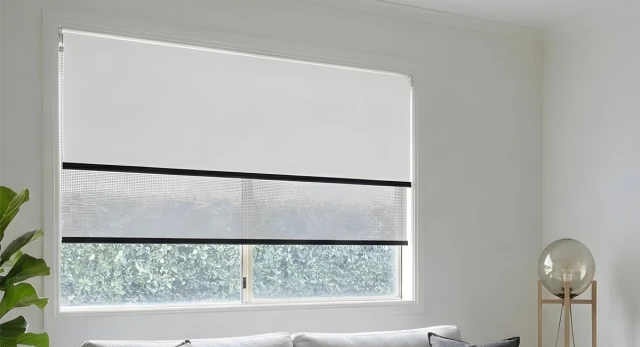
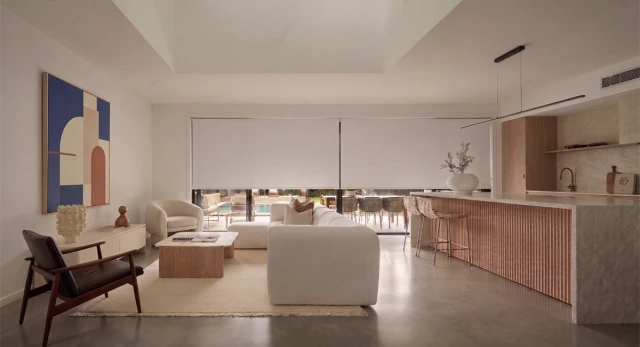
1. Charlotte Black Blockout + Aventus Ice Sunscreen
Best for a bold, modern look.
If you love contrast, this is a confident pairing.
The Aventus Ice Sunscreen gives the room a fresh daytime feel. It keeps the window looking clean and bright while helping soften glare. The Charlotte Black Blockout adds depth at night and creates a crisp designer finish.That is why the blockout layer matters.
This combination works especially well in homes with black window frames, dark tapware, monochrome furniture or strong architectural lines.
It is a smart choice when you want the blinds to look intentional. Not loud. Not heavy. Just sharp and well resolved. Use this pairing in:
- •
modern living rooms
- •
- •
- •
homes with black window frames
- •
statement windows
Style tip: Let the black blockout connect with another black detail in the room. It might be a window frame, pendant light, door handle or furniture leg. This makes the contrast feel balanced.
Shop: Charlotte Black Blockout + Aventus Ice Sunscreen
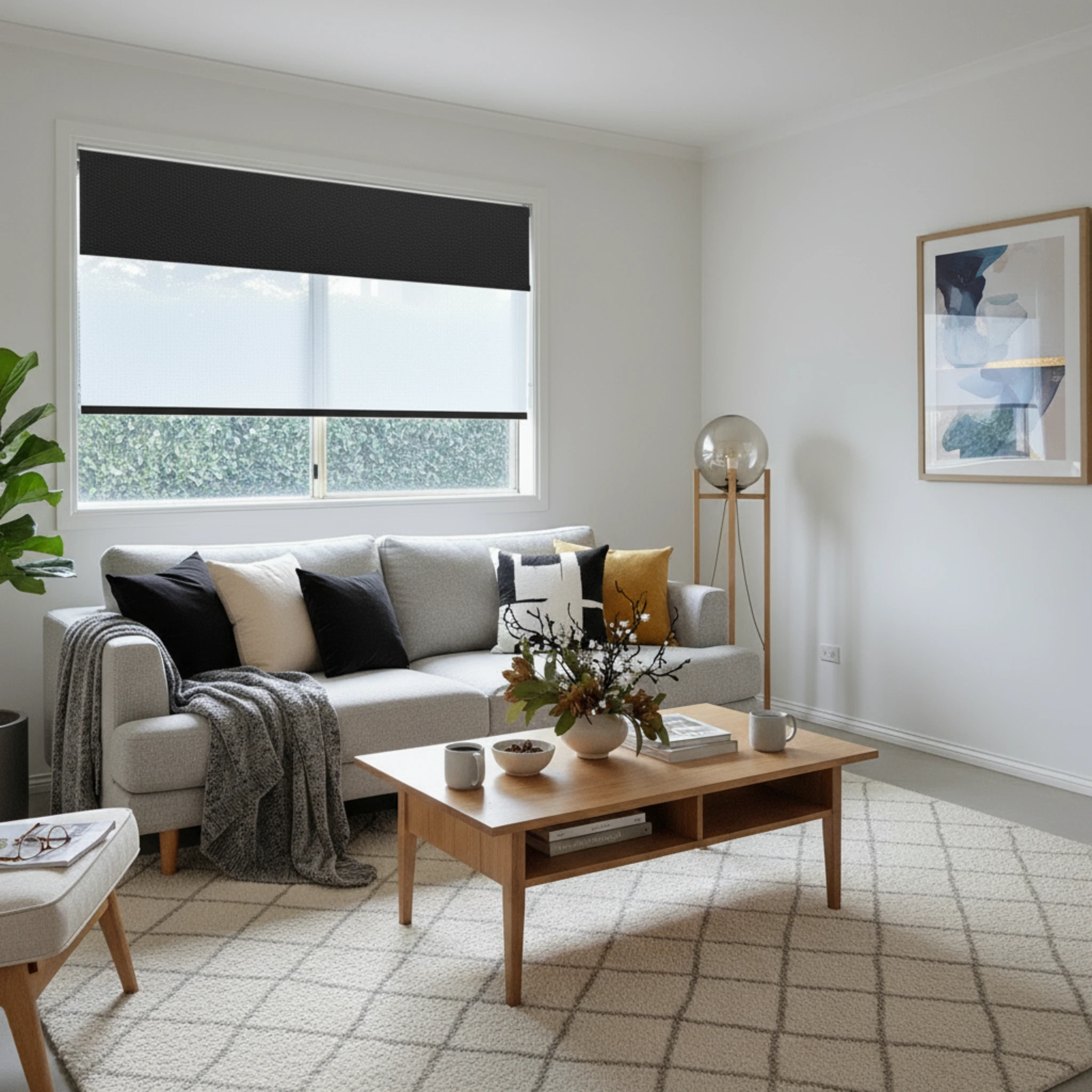
2. Bali Ash Blockout + Palm Beach Melody Light Filter
Best for soft contemporary interiors.
Some rooms need a gentler finish.
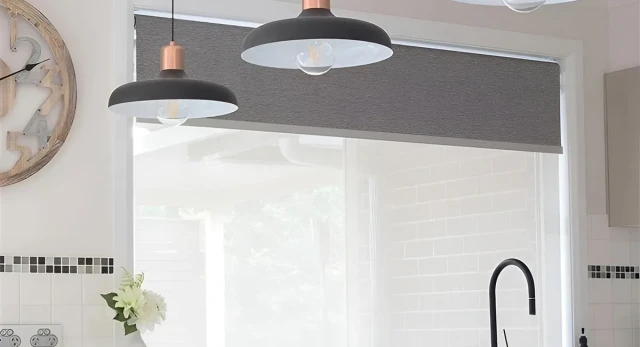
The Palm Beach Melody Light Filter brings a soft daytime glow. It helps the room feel bright without feeling bare. The Bali Ash Blockout adds a calm grey tone for evening privacy.
This is a lovely option if you want your double roller blinds to feel modern, but not stark.
It works well with white walls, pale timber, grey sofas, stone benchtops and soft neutral bedding. The result is clean, simple and easy to live with.
Use this pairing in:
- •
bedrooms
- •
- •
apartments
- •
townhouses
- •
soft modern interiors
Style tip: This combination is ideal when your home has both warm and cool finishes. The Melody fabric keeps the room light, while Ash adds a steady grey base.
Shop: Bali Ash Blockout + Palm Beach Melody Light Filter
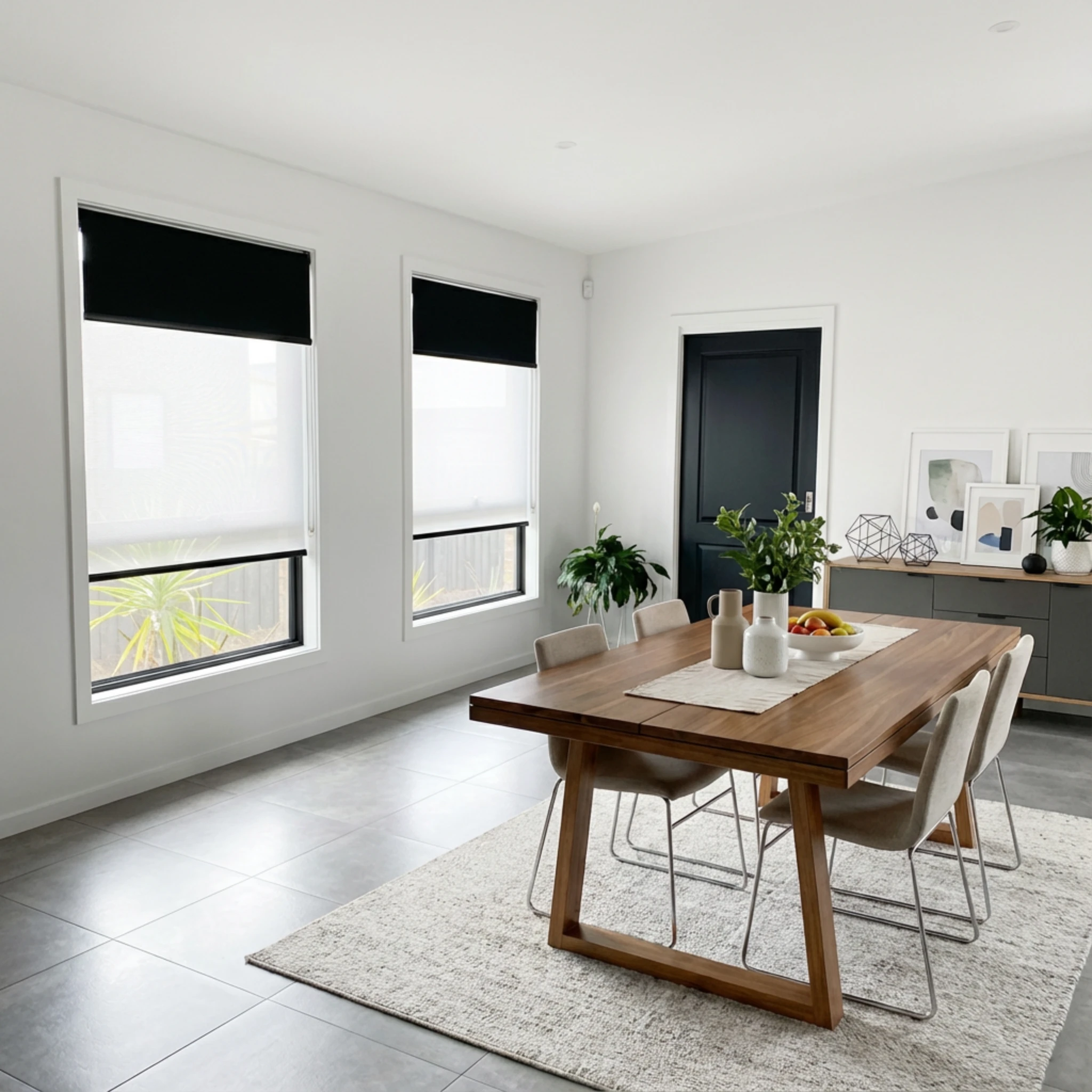
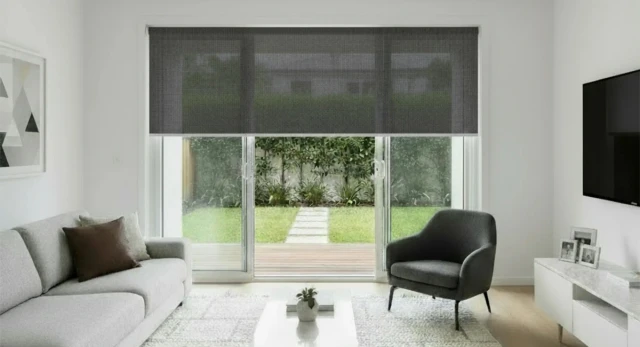
3. Bali Black Blockout + Aventus White Sunscreen
Best for classic black-and-white contrast.
Black and white never really dates.
The Aventus White Sunscreen keeps the room feeling bright during the day. It gives your windows a clean, open look. The Bali Black Blockout brings privacy, contrast and a polished finish at night.
This colour combination suits homes where the design is simple and structured. It is especially effective in kitchens, dining areas and living rooms with black hardware or black-framed glazing.
Compared with softer neutral pairings, this one feels more defined.
It is a strong choice if you want your blinds to become part of a modern design scheme.
Use this pairing in:
- •
minimalist homes
- •
- •
open-plan living areas
- •
black-framed windows
- •
high-contrast interiors
Style tip: Keep surrounding colours simple. White walls, black accents, warm timber and soft natural textures will stop the room from feeling too harsh.
Shop: Bali Black Blockout + Aventus White Sunscreen
4. Linesque Almond Blockout + Aventus White Linen Sunscreen
Best for warm, natural styling.
This pairing feels soft from the start.
The Aventus White Linen Sunscreen is gentler than a bright white. It brings daylight into the room without making the window feel too crisp. The Linesque Almond Blockout adds warmth and comfort when the back blind is lowered.
This is a beautiful choice for homes with timber floors, warm white walls, boucle fabrics, rattan, stone, beige tones or coastal styling.
It does not compete for attention.
Instead, it helps the room feel relaxed, calm and complete.
Use this pairing in:
- •
bedrooms
- •
- •
coastal homes
- •
neutral interiors
- •
relaxed Australian homes
Style tip: Pair Almond and White Linen with warm whites rather than cool whites. It will help the whole room feel softer and more connected.
Shop: Linesque Almond Blockout + Aventus White Linen Sunscreen
5. Linesque Dove Blockout + Whitsundays Morning Sunscreen
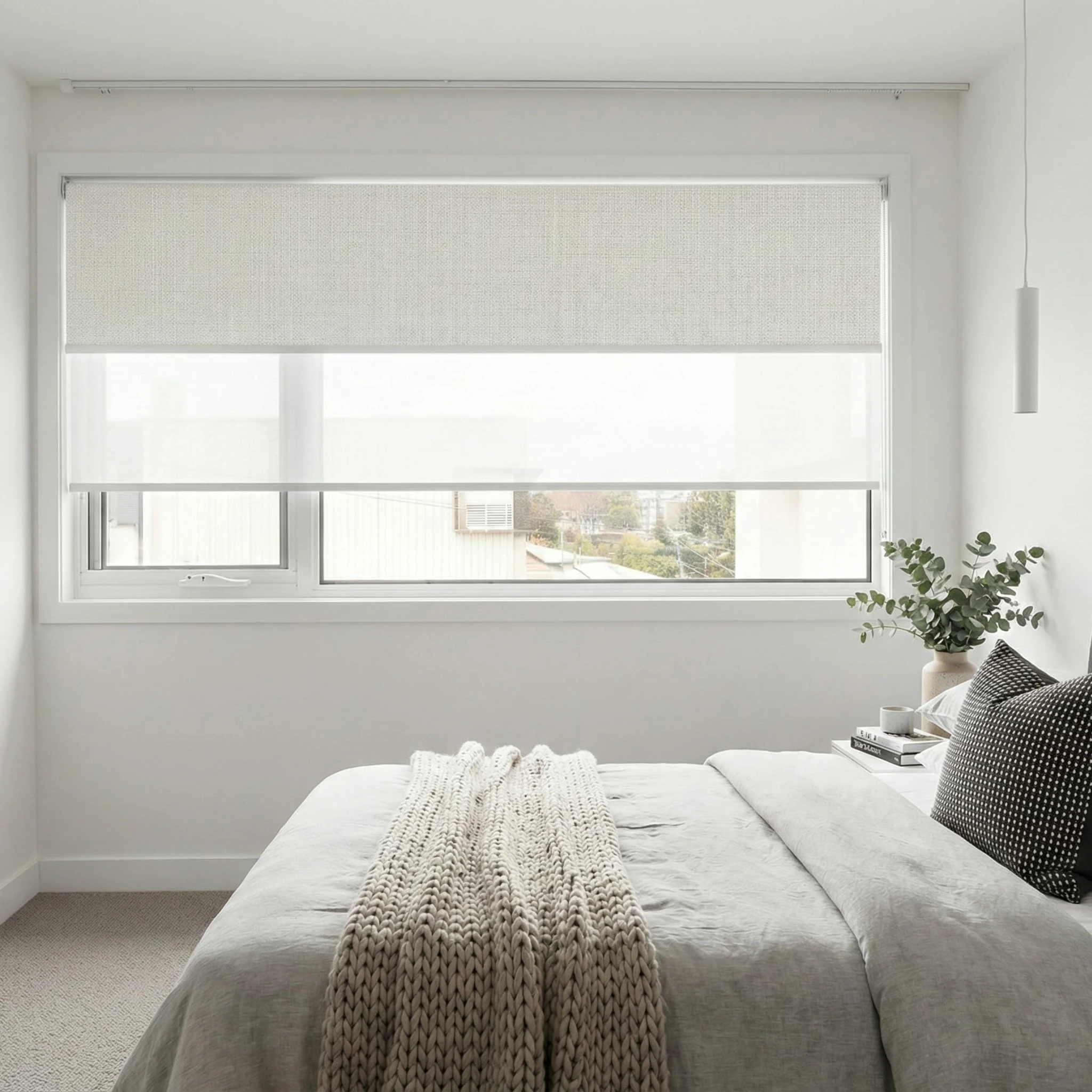
Best for calm and understated spaces.
Not every room needs contrast.
Some rooms need quiet balance.
The Whitsundays Morning Sunscreen gives a soft daytime finish. It works well when you want natural light without a bright white look. The Linesque Dove Blockout adds gentle depth at night without making the window feel heavy.
This is one of the easiest colour combinations for double roller blinds if you want the blinds to blend into the room.
It suits soft grey interiors, neutral homes, relaxed bedrooms and living rooms where the view, furniture or artwork should remain the focus.
Use this pairing in:
- •
bedrooms
- •
- •
neutral homes
- •
soft grey interiors
- •
understated spaces
Style tip: Dove works well with greige, stone, taupe and muted timber tones. It is a safe choice when you want warmth and softness without moving too beige.
Shop: Linesque Dove Blockout + Whitsundays Morning Sunscreen
Quick Double Roller Blind Colour Guide
Style goal
Best colour combination
Bold and modern
Charlotte Black + Aventus Ice
Soft contemporary
Bali Ash + Palm Beach Melody
Classic contrast
Bali Black + Aventus White
Warm and natural
Linesque Almond + Aventus White Linen
Calm and understated
Linesque Dove + Whitsundays Morning
Fabric Type
What it helps with
Sunscreen or light filtering
Natural light, glare control, daytime privacy and comfort
Fabric Type
What it helps with
Blockout
Night privacy, darkness, sleep comfort and stronger light control
How to Choose the Right Colour Combination for Your Room
The best colour combinations for double roller blinds are not chosen in isolation.
They are chosen in the room.
Stand near the window and look around. Notice the floor colour, wall colour, furniture, fixtures and natural light. Then choose the pairing that feels like it belongs.
Start with your natural light
Bright rooms can often handle deeper blockout colours such as Black or Ash. These tones can add definition without making the space feel too dark.
Softer rooms may suit Almond, Dove or White Linen tones. These colours help keep the room open and calm.
Also consider the direction of the sun.
A west-facing living room may need stronger glare control during the afternoon. A bedroom with gentle morning light may suit a softer light filtering fabric.
Match your existing finishes
Look at the permanent finishes first.
These include flooring, window frames, cabinetry, benchtops and wall colour.
Black blockout fabrics work well with black frames, dark fixtures and modern interiors. Grey blockout fabrics suit contemporary homes with stone, white, charcoal or pale timber finishes. Almond and linen tones suit warmer homes with timber, beige, cream and natural textures.
Your blinds do not need to match everything.
They just need to sit comfortably with what is already there.
Decide whether you want contrast or calm
A high-contrast pairing makes the window more of a feature.
A soft neutral pairing helps the blinds blend in.
Neither is better. It depends on the room.
Choose contrast when the window is part of the design story. Choose calm when you want the blinds to support the room quietly.
Think about the evening view inside
Many people choose the daytime fabric first, then forget about the blockout colour.
But at night, the blockout blind becomes the fabric you see.
Make sure the blockout colour works with your evening lighting, bedding, sofa, flooring and wall colour.
A colour that looks subtle during the day may feel stronger at night.
This is another reason samples are important.
Should the Two Blind Colours Match?
They can, but they do not have to.
Matching colours create a seamless look. This works well if you want the window to feel simple and quiet.
Contrasting colours create more depth. This works well in modern homes and rooms with stronger design features.
A good rule is to keep the undertone consistent.
Warm whites, almond, linen and timber tones usually work well together. Cooler whites, ash, grey and black usually sit well together.
Mixing warm and cool tones can work, but it needs more care.
When in doubt, keep the daytime fabric lighter and the blockout fabric slightly deeper. This gives the room daylight softness and evening structure.
Sunscreen or Light Filtering: Which Day Fabric Should You Choose?
The colour combination is important, but so is the fabric type.
Choose a sunscreen fabric if you want to keep your view during the day, reduce glare and maintain an open feel. Sunscreen fabrics are ideal for living rooms, kitchens, dining areas, home offices and large windows.
Choose a light filtering fabric if you want soft light with more daytime privacy. Light filtering fabrics suit bedrooms, street-facing rooms, entryways and living spaces where the view is less important.
In both cases, the blockout fabric gives you the privacy and darkness you need at night.
That is the main benefit of double roller blinds.
You do not have to ask one fabric to do everything.
Mistakes to Avoid When Choosing Blind Colours
Choosing from a screen only
Fabric colours can look different online.
The colour may change depending on your wall colour, flooring and natural light. Always order samples before placing your double roller blind order and view them in the room.
Forgetting about night-time style
Your blockout fabric is not just practical.
It becomes part of the room at night. Choose a colour you will enjoy when the lights are on.
Using the same pairing everywhere
A consistent look is good, but every room has a different purpose.
You may choose black and white in the living room, soft grey in the bedroom and warm neutrals in the family room. The home can still feel connected if the palette is considered.
Ignoring window frames
Window frames matter.
Black frames often work well with black or charcoal blockout fabrics. White frames may suit lighter or softer combinations. Timber frames often look beautiful with warm neutral tones.
Try Samples Before You Decide
Roller blind samples are the easiest way to choose with confidence.
Place each fabric near the window. Look at it in the morning, afternoon and evening. Check it beside your floor, wall colour and furniture.For example, a spare bedroom may only need blockout. A home office may only need sunscreen.
Then test the pair together.
They let you enjoy daylight and privacy in different ways across the day.
Ask yourself:
- •
Does the daytime fabric make the room feel bright enough?
- •
- •
Does the pairing suit the window frame?
- •
Does it work with the rest of the home?
- •
Does it create the mood I want?
The right combination usually feels clear once you see it in your own light.
Final Thoughts
The best colour combinations for double roller blinds are the ones that suit your light, your privacy needs and your style.
Choose Charlotte Black and Aventus Ice for bold modern contrast.
Choose Bali Ash and Palm Beach Melody for a soft contemporary look.
Choose Bali Black and Aventus White for clean black-and-white styling.
Choose Linesque Almond and Aventus White Linen for warmth and natural texture.
Choose Linesque Dove and Whitsundays Morning for a calm, understated finish.
Each pairing gives your room a different feeling from day to night.
That is the beauty of double roller blinds.
You can soften the daylight, control privacy in the evening and create a window finish that feels made for your home.
Order samples, compare them in your own space, then customise your double roller blinds online with confidence.
When you are ready, use the measure roller blinds guide and install roller blinds guide to get a clean DIY finish.
'%3e%3cline%20id='Line_28'%20data-name='Line%2028'%20y2='200'%20transform='translate(1580.5%205493.46)'%20fill='none'%20stroke='%23f7941d'%20stroke-width='5'/%3e%3cg%20id='Ellipse_50'%20data-name='Ellipse%2050'%20transform='translate(1559%205665.46)'%20fill='%23171717'%20stroke='%23f7941d'%20stroke-width='5'%3e%3ccircle%20cx='21.5'%20cy='21.5'%20r='21.5'%20stroke='none'/%3e%3ccircle%20cx='21.5'%20cy='21.5'%20r='19'%20fill='none'/%3e%3c/g%3e%3c/g%3e%3c/svg%3e)