'%3e%3ccircle%20id='Ellipse_59'%20data-name='Ellipse%2059'%20cx='3'%20cy='3'%20r='3'%20transform='translate(11%208.786)'%20fill='none'%20stroke='%23f7941d'%20stroke-linecap='round'%20stroke-linejoin='round'%20stroke-width='2'/%3e%3cpath%20id='Path_82'%20data-name='Path%2082'%20d='M14,2A10,10,0,0,0,4,12a8.048,8.048,0,0,0,1.875,5.625L14,27l8.125-9.375A8.048,8.048,0,0,0,24,12,10,10,0,0,0,14,2'%20transform='translate(0%200)'%20fill='none'%20stroke='%23f7941d'%20stroke-linecap='round'%20stroke-linejoin='round'%20stroke-width='2'/%3e%3c/g%3e%3c/svg%3e)


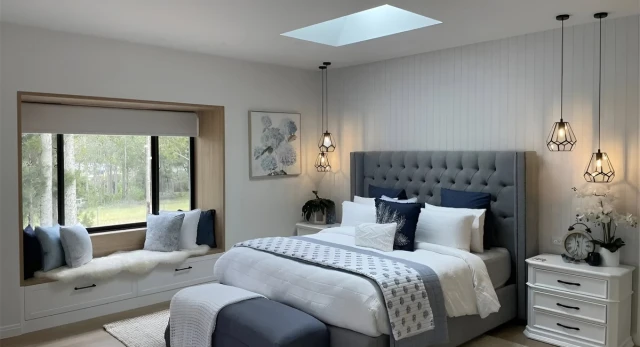
How to choose roller blinds for sleep, privacy, light control and everyday comfort
Bedrooms ask a lot from their window furnishings.
You want privacy when you’re winding down at night, good light control for sleep and a comfortable, calm feel throughout the day.
In Australian homes, bedrooms can also face strong morning sun, neighbouring properties, streetlights, heat and glare. So the right blind needs to do more than simply cover the window.
Roller blinds are a practical, streamlined choice for main bedrooms, kids’ rooms, nurseries, guest rooms, apartments and investment properties. They sit neatly at the window and can be customised to suit the level of privacy, darkness and daylight control you need.
The best option comes down to how the bedroom is used, when the sun reaches the window and what matters most to you.
Here’s how to choose with confidence.
1. Start with the Main Bedroom Goal
Before you think about colour, fabric or controls, decide what you need the blind to achieve.
Bedrooms are spaces for rest, so stronger privacy and light control are usually more important here than they might be in a kitchen or living area.
Custom Roller Blinds are a great option when you want practical coverage without adding visual clutter.
Ask yourself:
- •
Do I want the room darker for sleep?
- •
Is the window street-facing?
- •
Does early morning sun wake me?
- •
Do I need strong privacy at night?
- •
Is it a child’s bedroom or nursery?
- •
Is the room also used as a study or guest room?
A street-facing bedroom may need a different solution from a quiet room at the back of the house. A nursery may benefit from stronger room darkening, while a guest room may simply need reliable privacy and easy operation.
Once you know what matters most, the right blind becomes much easier to choose.
2. Choose Blockout Roller Blinds for Sleep and Privacy
For many bedrooms, blockout fabric is the best place to start.
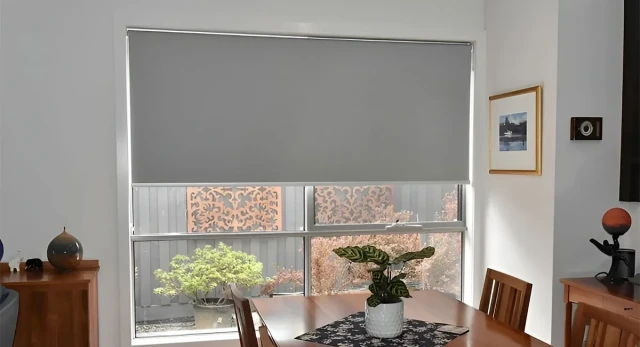
Blockout Roller Blinds are designed for spaces where privacy and stronger light control matter. When lowered, the fabric blocks light passing through it and creates a more private, settled feel.
They’re particularly well suited to:
- •
Main bedrooms
- •
Kids’ bedrooms
- •
Nurseries
- •
Guest bedrooms
- •
Street-facing rooms
- •
Rooms with bright morning sun
- •
Media or multi-purpose rooms
It’s worth understanding what “blockout” means with a roller blind.
The fabric itself blocks light, but small gaps can still occur around the sides or top depending on your window, mounting method and finished fit. This is normal for roller blinds.
If creating the darkest room possible is important, consider a face fit and carefully plan your bracket position. A pelmet can also help reduce light entering around the top of the blind.
The fabric does the blocking. Accurate measuring and the right fit help you get the most from it.
3. Understand Day Privacy and Night Privacy
Bedroom privacy changes from day to night.
During the day, outdoor light is usually stronger than the light inside your home, so some fabrics can help limit visibility while keeping the room feeling bright.
At night, the conditions reverse. Once the lights are on inside, fabrics that felt private during the day may allow more visibility from outside.
That distinction matters in a bedroom.
Blockout roller blinds provide much stronger privacy when lowered, making them a reliable option for bedrooms.
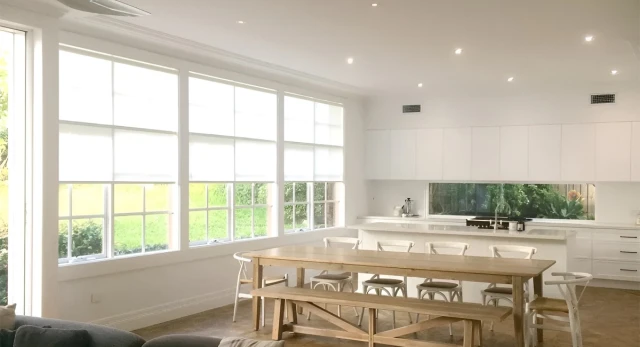
Sunscreen roller blinds are fantastic for daytime glare control and maintaining an outlook, but they shouldn’t be relied on as a stand-alone night privacy solution.
Light filtering roller blinds soften daylight beautifully, but they also won’t provide the same level of night-time privacy as blockout fabric.
For a deeper look at how different fabrics perform, read Are Roller Blinds Good for Privacy?.
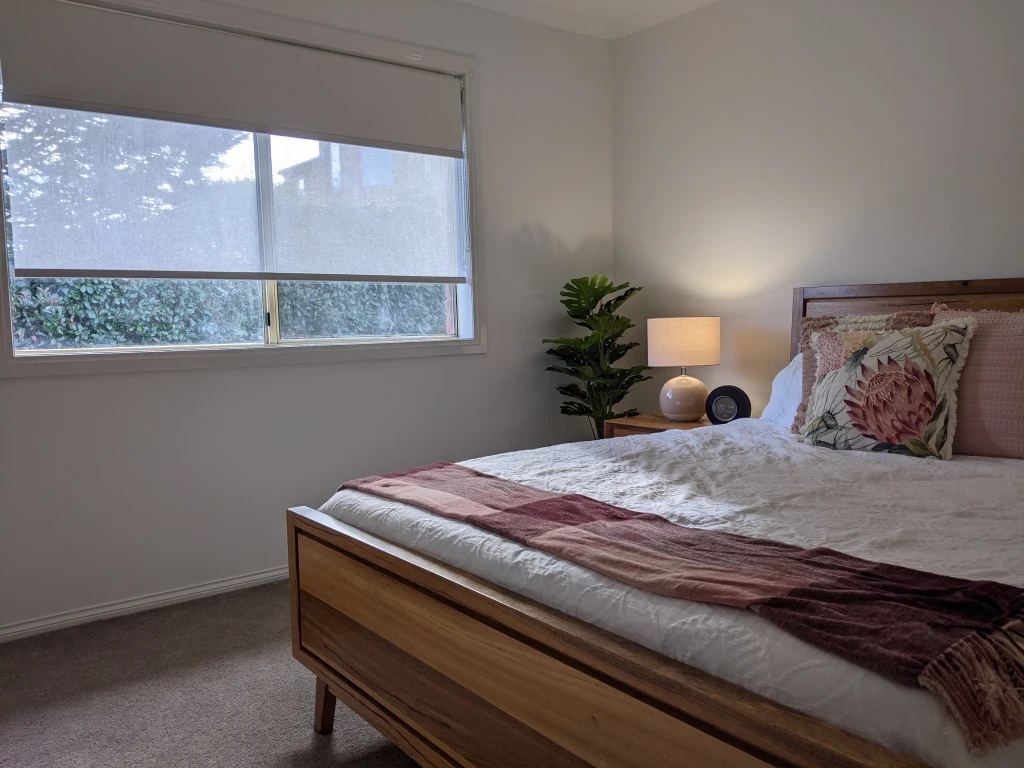
4. Use Double Roller Blinds for Day and Night Flexibility
Some bedrooms need to perform differently throughout the day.
You may want filtered daylight in the morning, extra daytime privacy and a darker, more private room at night.
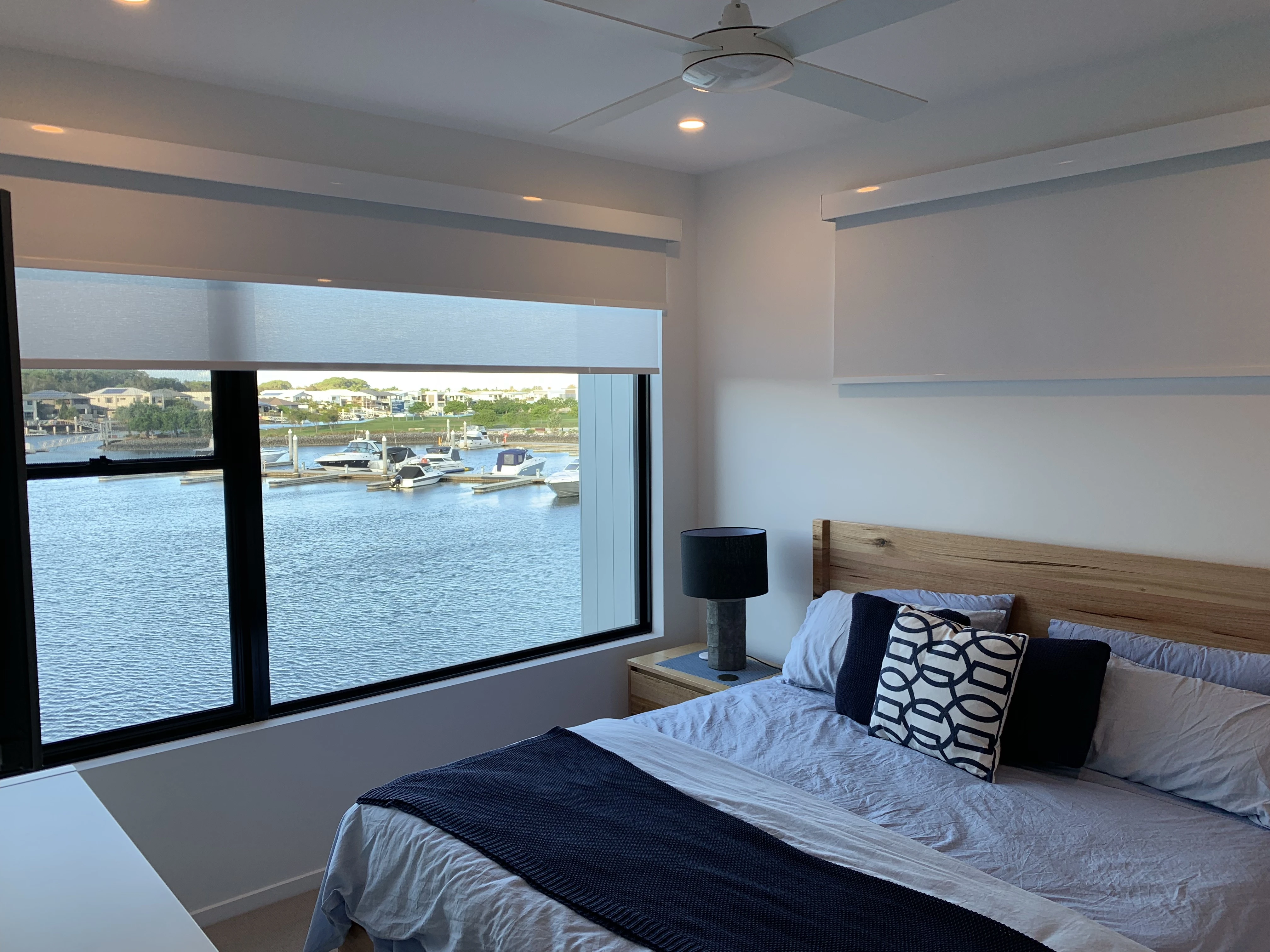
Double Roller Blinds give you two fabric layers on the same window, making it easy to adjust your level of light and privacy as the day changes.
A common bedroom combination is sunscreen or light filtering fabric for daytime use paired with a blockout blind for night-time privacy and room darkening.
This setup can work particularly well for:
- •
Front bedrooms
- •
Apartments
- •
Townhouses
- •
Bedrooms close to neighbours
- •
Rooms used during the day
- •
Bedrooms with large windows
A single blockout roller blind may still be all you need. But if you like the idea of letting natural light in during the day without giving up privacy and darkness at night, a double roller blind gives you more flexibility.
5. Be Careful with Sunscreen Roller Blinds in Bedrooms
Sunscreen Roller Blinds are brilliant in the right setting.
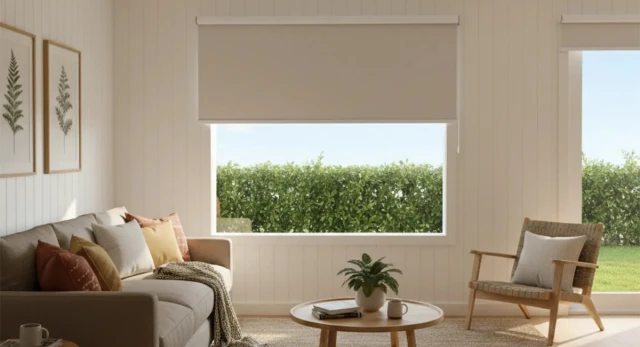
They can reduce glare, help manage strong daylight and allow you to retain some daytime outlook. That makes them popular in living rooms, home offices and large open-plan spaces.
Bedrooms, however, usually need more privacy after dark.
Sunscreen fabric isn’t designed to provide full night privacy when the lights are on inside, so it’s generally not the best choice as the only blind on a bedroom window facing the street or neighbouring homes.
That doesn’t mean you can’t use sunscreen fabric in a bedroom.
Pair it with a blockout blind in a double roller setup and you can enjoy glare control and outlook during the day, then lower the blockout layer for privacy and darkness at night.
The important thing is choosing each fabric for the job it does best.
6. Light Filter Roller Blinds for Softer Bedroom Light
Light Filter Roller Blinds can work beautifully in bedrooms that don’t need complete room darkening.
They diffuse daylight and create a softer, more relaxed atmosphere, making them a good option for:
- •
Guest bedrooms
- •
Rooms with lower sun exposure
- •
Bedrooms used regularly during the day
- •
Spaces where softness matters more than darkness
- •
Bedrooms with another privacy layer already in place
Light filtering fabric is different from blockout fabric. It won’t create the same level of darkness or night privacy.
If your priority is sleep, strong privacy or room darkening, blockout or double roller blinds will usually be the better fit.
If you simply want to soften natural light and create a calm daytime feel, light filtering fabric may be all you need.
7. Consider Motorised Roller Blinds for Bedrooms
Bedroom blinds should be simple to use every day.
That’s particularly important for tall windows, wide openings, multiple blinds or windows that are difficult to reach.
Motorised Roller Blinds make it easy to raise and lower your blinds without manually operating a chain. They also create a clean, streamlined finish.
Motorisation can work especially well in:
- •
Main bedrooms
- •
Kids’ rooms
- •
Nurseries
- •
Tall or hard-to-reach windows
- •
Wide windows
- •
Rooms with several blinds
- •
Bedrooms where everyday convenience matters
A chain-free setup can also be a practical consideration in children’s rooms.
Open the blinds in the morning, close them again at night, and enjoy a setup that fits easily into your daily routine.
8. Think About Recess Fit, Face Fit and Light Gaps
How your roller blind is fitted can make a noticeable difference in a bedroom.
A recess fit sits inside the window reveal and creates a neat, contained look.
A face fit sits outside the reveal, covering more of the window opening. Because of that extra overlap, it can be a good option when you’re trying to minimise light entering around the sides.
For bedrooms, that choice can affect both privacy and room darkening.
If your window has enough surrounding space and darkness is a priority, face fit may be worth considering.
If you have a deep reveal and prefer a minimal, built-in appearance, recess fit can still look fantastic.
You can also consider a pelmet if you want a more finished look across the top and would like to reduce light entering around the brackets.
Before ordering, follow our Measure Roller Blinds guide carefully and measure every bedroom window individually.
Even windows that look identical can vary slightly.
9. Match the Blind to the Bedroom Style
A bedroom should feel calm and comfortable, so your roller blind should work with the room rather than compete with it.
Soft neutrals are an easy place to start:
- •
White
- •
Warm white
- •
Stone
- •
Linen
- •
Soft grey
- •
Beige
- •
Natural tones
- •
Charcoal accents
If your walls, flooring and furniture have warm undertones, a warmer neutral fabric can help everything feel connected.
If the room features cooler greys or crisp white finishes, a cooler-toned fabric may sit more naturally.
For kids’ rooms, remember that tastes change quickly. A simpler blind colour can give you more flexibility as bedding, furniture and décor change over time.
Choose function first, then find the colour and texture that complements the room.
And always order samples before making your final choice. Seeing the fabric in your own light is the best way to know whether it feels right.
10. Measure and Install with Care
Bedroom blinds are used every day, so good fit and smooth operation really matter.
A blind that’s too narrow may leave larger side gaps than you want. A blind that’s too wide may not operate correctly. A chain positioned on the wrong side can become frustrating very quickly.
Before ordering, check:
- •
Handles and locks
- •
Window trims
- •
Tiles or nearby cabinetry
- •
Window depth
- •
Your preferred control side
- •
Any obstructions around the opening
When you’re ready to install, follow our Install Roller Blinds guide so you know exactly what to expect.
For more helpful advice before ordering, read Top Mistakes to Avoid When Buying Roller Blinds.
Taking a little extra time to plan, measure and check your setup makes DIY installation easier and helps you achieve a result you’ll be happy with from day one.
11. When Roller Blinds Are the Best Bedroom Choice
Roller blinds are an excellent bedroom option when you want practical coverage, a clean finish and easy everyday operation.
They’re particularly well suited when you need:
- •
Blockout privacy
- •
Stronger light control
- •
A simple, modern finish
- •
A practical DIY solution
- •
Easy everyday operation
- •
A cost-effective custom option
- •
Day and night flexibility with double blinds
- •
Motorisation for added convenience
They’re also a smart choice when you’re updating several bedrooms and want a consistent look throughout the home.
For a broader overview of fabrics, options and room suitability, read the Complete Guide to Roller Blinds in Australian Homes.
Common Mistakes to Avoid
Choosing Sunscreen Fabric Alone for a Bedroom
Sunscreen fabric is excellent for daytime glare control, but it doesn’t provide complete privacy at night.
If you want sunscreen in a bedroom, pair it with a blockout layer where night privacy matters.
Choosing Light Filtering Fabric When You Need Darkness
Light filtering fabric softens daylight beautifully but doesn’t create the same room-darkening effect as blockout fabric.
For sleep-focused rooms, blockout is usually the better choice.
Ignoring Edge Gaps
Blockout fabric blocks light through the material itself, but light can still enter around the blind.
Think about your fitting method, measurements and pelmet options if reducing light gaps is important.
Measuring Too Quickly
Accurate measurements make a big difference to privacy, light control and smooth operation. Take your time and follow the measuring guide.
Forgetting Chain Side or Motorisation
Think about which side will be easiest to reach every day. For tall windows, wide windows or kids’ rooms, motorisation may be worth considering.
Skipping Samples
Colours and textures can look different once they’re in your bedroom.
Check samples against your walls, flooring, bedding and natural light before ordering.
Quick Bedroom Roller Blind Checklist
Before choosing roller blinds for your bedroom, ask yourself:
- •
Do I need strong privacy at night?
- •
Do I want room darkening for sleep?
- •
Is the window street-facing?
- •
Does morning sun enter the room?
- •
Would blockout fabric suit the room best?
- •
Do I also want daytime light control?
- •
Would double roller blinds give me more flexibility?
- •
Would sunscreen work as a daytime layer?
- •
Is light filtering fabric enough for this room?
- •
Should I choose recess fit or face fit?
- •
Would a pelmet help reduce light around the top?
- •
Which side should the control sit on?
- •
Would motorisation make everyday use easier?
- •
Have I ordered fabric samples?
- •
Have I measured carefully?
- •
Have I checked the installation guide?
Once you’ve answered these questions, you’ll have a much clearer idea of the fabric, fit and setup that will work best in your bedroom.
Final Thoughts
The best roller blinds for bedrooms in Australia are the ones that suit the way you sleep, the level of privacy you need and the light entering your room.
For many bedrooms, blockout roller blinds are the strongest all-round choice because they provide excellent privacy and block light through the fabric.
If you also want softer daytime light or glare control, double roller blinds give you the flexibility of two fabrics at one window.
Sunscreen fabric can be useful as the daytime layer, while light filtering fabric may work beautifully in guest rooms or bedrooms where complete darkness isn’t a priority.
Start with what you need the room to do, then choose your fabric, fit and controls.
With accurate measurements and a little planning, you can customise and install a bedroom blind that feels calmer, more private and easier to live with every day.
Transform your bedroom with custom roller blinds you can measure and install with confidence.
FAQs
'%3e%3cline%20id='Line_28'%20data-name='Line%2028'%20y2='200'%20transform='translate(1580.5%205493.46)'%20fill='none'%20stroke='%23f7941d'%20stroke-width='5'/%3e%3cg%20id='Ellipse_50'%20data-name='Ellipse%2050'%20transform='translate(1559%205665.46)'%20fill='%23171717'%20stroke='%23f7941d'%20stroke-width='5'%3e%3ccircle%20cx='21.5'%20cy='21.5'%20r='21.5'%20stroke='none'/%3e%3ccircle%20cx='21.5'%20cy='21.5'%20r='19'%20fill='none'/%3e%3c/g%3e%3c/g%3e%3c/svg%3e)