'%3e%3ccircle%20id='Ellipse_59'%20data-name='Ellipse%2059'%20cx='3'%20cy='3'%20r='3'%20transform='translate(11%208.786)'%20fill='none'%20stroke='%23f7941d'%20stroke-linecap='round'%20stroke-linejoin='round'%20stroke-width='2'/%3e%3cpath%20id='Path_82'%20data-name='Path%2082'%20d='M14,2A10,10,0,0,0,4,12a8.048,8.048,0,0,0,1.875,5.625L14,27l8.125-9.375A8.048,8.048,0,0,0,24,12,10,10,0,0,0,14,2'%20transform='translate(0%200)'%20fill='none'%20stroke='%23f7941d'%20stroke-linecap='round'%20stroke-linejoin='round'%20stroke-width='2'/%3e%3c/g%3e%3c/svg%3e)


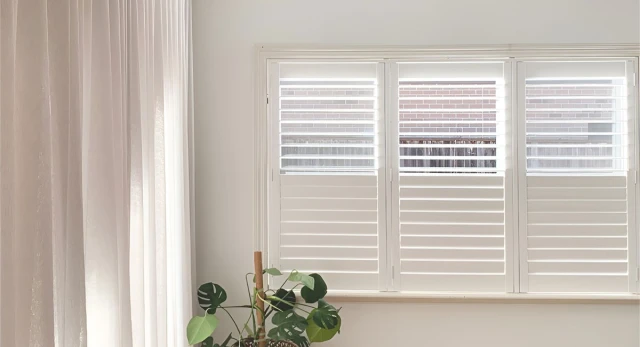
How to layer structure, softness, privacy and light control in Australian homes
Some rooms need more than one window furnishing to feel complete.
That’s where plantation shutters and curtains can work beautifully together. Shutters bring clean lines, structure and flexible light control, while curtains add softness, movement and warmth. Used together, they can give you a practical, polished window finish without making the room feel heavy.
This combination works particularly well in Australian homes, where changing light, daytime privacy and night-time comfort can all matter. It can suit bedrooms, living rooms, street-facing spaces, coastal homes, Hamptons-style interiors and modern rooms where you want a softer, layered look.
The key is knowing when both products will genuinely improve the room. Not every window needs two layers, but when shutters and curtains each have a clear purpose, the result can feel balanced, comfortable and beautifully considered.
1. Why Shutters and Curtains Work Well Together
Plantation shutters and curtains each bring something different to the window, which is exactly why they work so well as a pair.
Shutters sit neatly within or around the window and create a clean, architectural finish. You can tilt the louvres throughout the day to adjust light, airflow and privacy.
Curtains soften the overall look with fabric, texture and movement. Depending on the fabric you choose, they can also add night-time privacy, room darkening, insulation and extra comfort.
Together, they create a lovely balance: shutters provide structure, while curtains bring softness.
This can be particularly effective if you love the crisp look of shutters but want the room to feel warmer or more relaxed.
For a deeper look at shutter materials, room suitability and everyday benefits, read the Complete Guide to PVC Plantation Shutters.
2. Use Shutters for Structure
Shutters are a great starting point when you want the window to feel built-in, neat and finished.
They frame the window with clean lines and can help connect it with the rest of the room. White shutters are especially versatile, working beautifully across coastal, Hamptons, classic, modern and minimalist interiors.
They can help with:
- •
Daytime privacy
- •
Adjustable light control
- •
Airflow
- •
Street-facing windows
- •
Bathrooms and kitchens
- •
A clean, structured window finish
If you want the room to feel crisp and considered, start with Plantation Shutters as the foundation. Then add curtains where you want more softness, warmth, privacy or room darkening.
3. Use Curtains for Softness
Curtains can completely change the feel of a room.
The fabric softens hard surfaces and adds movement, texture and warmth around the window. In larger rooms, curtains can also make the space feel more comfortable and inviting.
That’s why they pair so naturally with shutters.
Curtains can add:
- •
Soft fabric movement
- •
Texture and warmth
- •
Visual height
- •
A more relaxed, designer-style finish
- •
Extra privacy
- •
Better room darkening with blockout fabric
At iSeekBlinds, our custom Curtains can be made to suit different spaces and needs, including sheer, light filtering, blockout and double curtain options.
It’s not simply about adding another layer. It’s about creating the right atmosphere for the way you live in the room.
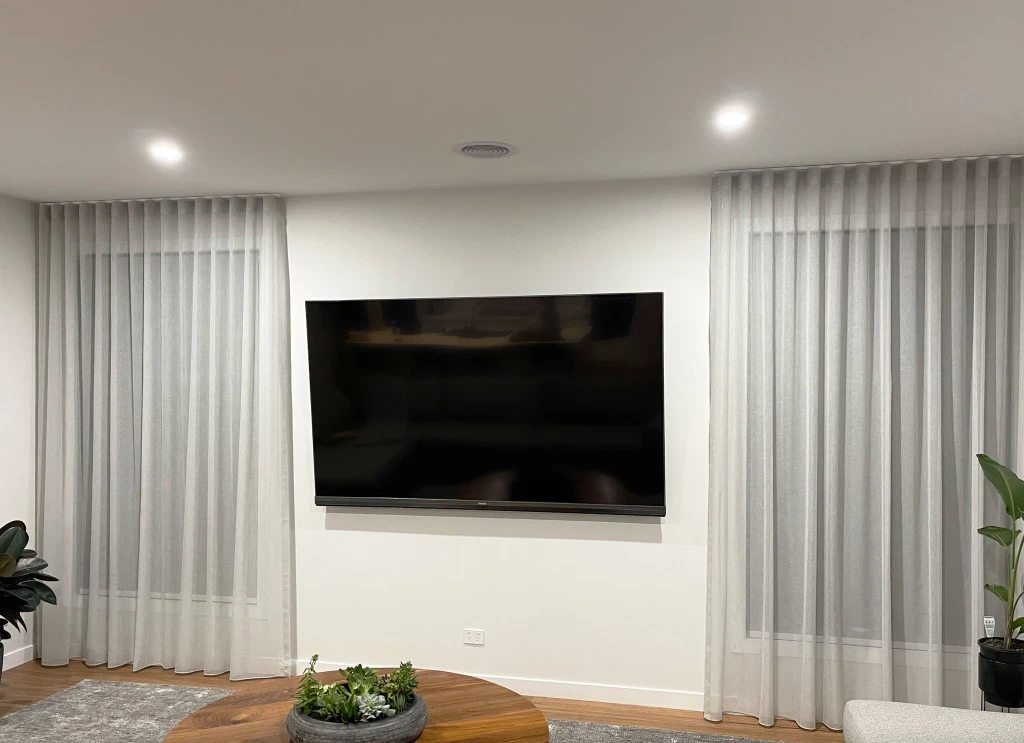
4. Pair Shutters with Sheer Curtains for a Light, Layered Look
Sheer curtains are one of the easiest ways to soften the structured look of shutters.
They add movement and texture without making the room feel heavy, while also helping to diffuse strong daylight and reduce glare.
This combination works beautifully in living rooms, dining rooms, open-plan areas and bedrooms where you want the space to stay bright and relaxed.
During the day, you can tilt the shutters to manage privacy and airflow while the sheers sit softly around the window, creating a more layered and finished look.
Sheer Curtains are ideal when you want softness and filtered daylight, but remember that they aren’t designed to provide complete privacy at night on their own.
For more advice on styling, privacy and room suitability, read the Complete Guide to Sheer Curtains.
5. Pair Shutters with Blockout Curtains for Bedrooms
Bedrooms are one of the best places to combine shutters and curtains.
Shutters give you structure, daytime privacy and adjustable light control. Blockout Curtains add stronger night-time privacy, room darkening and an extra layer of comfort.
This can be a great option for:
- •
Main bedrooms
- •
Kids’ bedrooms
- •
Nurseries
- •
Guest rooms
- •
Street-facing bedrooms
- •
Rooms with bright morning sun
Plantation shutters aren’t designed to provide complete blackout on their own. They can significantly reduce incoming light, but small amounts may still pass around panels and through operational gaps.
Adding blockout curtains gives you another layer when a darker, more private bedroom is the goal.
Use the shutters for flexible daytime control, then close the curtains when you’re ready to settle in for the night.
6. Use Double Curtains When the Room Needs More Flexibility
Some rooms need several different things from their window furnishings throughout the day.
You might want soft filtered light in the morning, privacy during the day and stronger coverage at night. In that case, Double Curtains can give you more flexibility.
When shutters are already installed, double curtains won’t be necessary for every room. But in larger bedrooms, living rooms or spaces where the window is a real design feature, the additional layers can create a beautifully finished result.
A typical combination could include:
- •
Shutters for structure and adjustable light
- •
Sheer curtains for softness and daytime ambience
- •
Blockout curtains for night privacy and room darkening
It’s a more layered approach, so make sure every element has a purpose. When it does, the result can feel elegant, practical and complete rather than overdone.
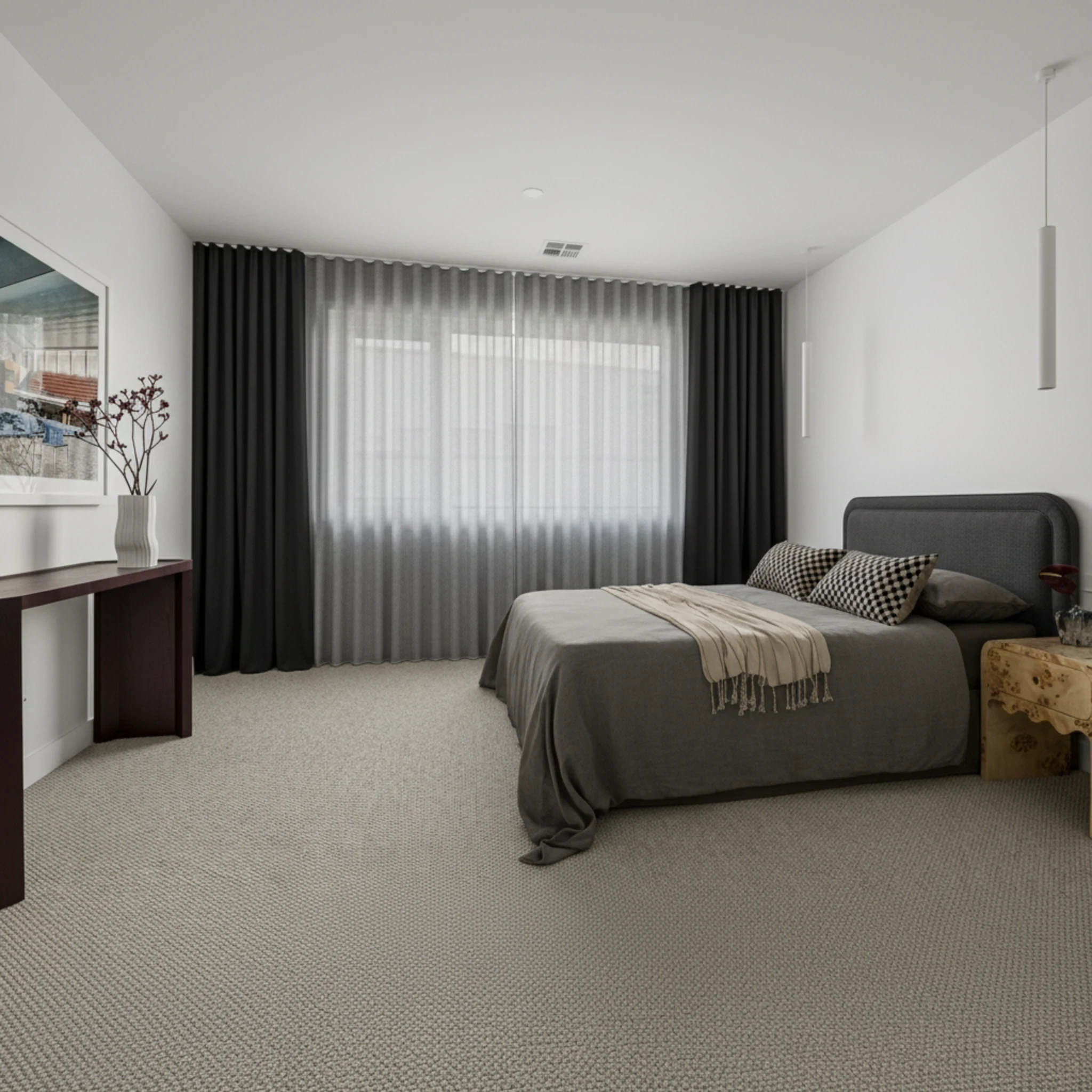
7. Match the Style of the Room
Shutters and curtains can suit many interior styles. The trick is choosing fabrics, colours and finishes that feel right for your home.
In a Hamptons-style interior, white shutters paired with soft white or warm neutral curtains create a fresh, timeless finish. The shutters provide the structure, while the curtains bring relaxed softness. For more inspiration, read Hamptons Style Interiors with White Shutters.
For a modern minimalist room, keep things simple and restrained. Choose an uncomplicated curtain fabric, a soft neutral colour and a track that doesn’t compete with the window. For more ideas, read Shutters in Modern Minimalist Interiors.
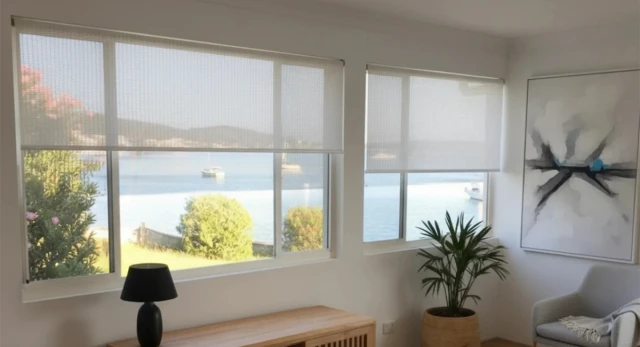
In coastal homes, sheer curtains with shutters can create an easy, breezy feel. In a classic family home, blockout curtains can bring extra warmth and comfort.
You don’t need to add layers simply for the sake of it. Choose what helps the room look and work its best.
8. Choose the Right Curtain Fabric
When you’re combining curtains with shutters, the curtain fabric should complement the shutters rather than compete with them.
For a soft, airy look, choose sheers. They bring movement and filtered daylight while keeping the overall feel light.
For a little more coverage, Light Filtering Curtains are a good middle ground. They soften sunlight and provide more density than sheers without creating a full blockout effect.
For bedrooms and other rooms where stronger privacy or darkness matters, choose blockout curtains.
Before making your final decision, order fabric samples and view them in your own room. Check them beside your shutters, wall colour, flooring and furniture at different times of day.
Small differences in undertone can make a big difference when you’re bringing hard and soft finishes together.
9. Keep the Colour Palette Calm
Because shutters and curtains already create visual layers, a calm colour palette often gives the most timeless result.
White shutters work well with shades such as:
- •
Soft white
- •
Warm ivory
- •
Stone
- •
Linen
- •
Light grey
- •
Beige
- •
Natural tones
- •
Soft taupe
If your shutters and walls lean cool, a cooler white or soft grey curtain can feel balanced. If your room has timber floors, warm walls or beige tones, a warmer fabric may feel more at home.
You can absolutely use contrast if you want the window to be a feature, but for many Australian homes, a softer tonal combination creates an easy, beautifully layered finish.
10. Think About Tracks, Stack and Drop
The curtain fabric is only part of the picture. Track position, curtain stack and finished drop all affect how well the combination works.
A ceiling-mounted curtain track can help create a sense of height and give the curtains a clean, uninterrupted drop. A wall-mounted track can also work well depending on your window, ceiling height and available space.
Think carefully about where the curtains will stack when open. You don’t want the fabric blocking shutter panels, window handles, doors or the view.
The curtain drop also changes the overall look:
- •
A skim drop finishes cleanly just above the floor.
- •
A kiss drop lightly touches the floor.
- •
A puddle drop creates a softer, more decorative finish.
Because shutters already bring plenty of structure, a skim or kiss drop often creates a clean, balanced result.
Before ordering, follow our Measure Curtains guide so you can measure with confidence and plan the finished position around your shutters.
11. Plan Installation Carefully
Layered window furnishings work best when you plan the whole setup before ordering.
Shutters sit close to the window, while curtains need enough clearance in front to move freely. This is especially important if your shutter panels swing open or the window has handles, locks or other obstructions.
Before ordering shutters, use our Measure Plantation Shutters guide and think about how each panel will open and operate.
Before installing your curtains, review the Install Curtains guide so you’re clear on track placement, brackets and curtain movement.
If you’re installing both products, plan them together rather than treating them as two separate projects. A little preparation upfront makes the DIY process easier and helps you achieve a much better finished result.
12. When Not to Mix Shutters with Curtains
Shutters and curtains can look beautiful together, but not every room needs both.
A bathroom may only need PVC plantation shutters because they provide excellent privacy and are easy to clean.
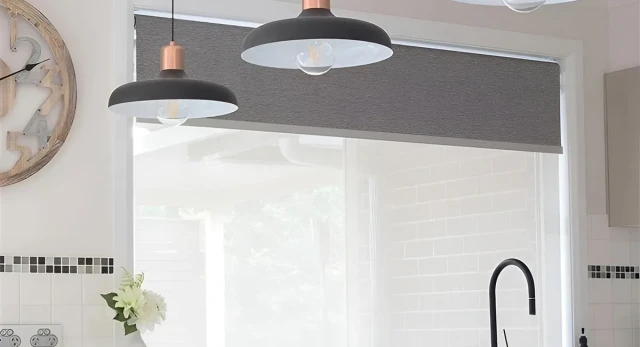
A kitchen window close to a sink, bench or cooking area may be better without fabric curtains.
In a very small room, two window furnishing layers can sometimes make the space feel crowded. Narrow windows may also have limited room for curtains to stack neatly.
In these situations, shutters alone may give you everything you need.
If you prefer a clean, timeless finish without additional fabric, read Why Plantation Shutters Remain Timeless.
The best choice isn’t always the one with the most layers. It’s the one that works for your room and the way you use it.
Common Mistakes to Avoid
Adding Curtains Without a Clear Purpose
Don’t add curtains simply because you already have shutters. Use them when you want extra softness, privacy, room darkening, insulation or a more layered finish.
Choosing Heavy Curtains for a Small Room
Heavy fabric can overwhelm a compact space. Sheers or light filtering curtains may create a lighter, more balanced result.
Forgetting How the Shutters Open
Make sure curtains and tracks won’t restrict access to shutter panels, handles or windows. Check your clearances before ordering.
Using Too Many Strong Colours
There’s already plenty happening visually when you combine shutters and curtains. Unless you deliberately want a statement window, keep the palette simple and cohesive.
Ignoring Night Privacy
Sheers can be beautiful during the day, but they aren’t a complete night-time privacy solution on their own. Add a blockout layer where stronger privacy is important.
Good DIY results start with accurate measurements. Take your time and use the measuring guides for both products before placing your order.
Quick Shutters and Curtains Checklist
Before combining shutters and curtains, ask yourself:
- •
What does the room need most?
- •
Do I need softness, privacy, light control or room darkening?
- •
Are shutters enough on their own?
- •
Would sheer curtains add the right amount of softness?
- •
Do I need blockout curtains for sleep or night privacy?
- •
Is the room large enough for both shutters and curtains?
- •
Will the curtains interfere with the shutter panels?
- •
Where will the curtains stack when open?
- •
Should the track be ceiling or wall mounted?
- •
Does the curtain colour work with the shutter tone?
- •
Have I ordered fabric samples?
- •
Have I measured carefully?
- •
Have I checked both installation guides?
Planning these details upfront will help you create a layered window finish that feels purposeful, practical and beautifully resolved.
Final Thoughts
Mixing shutters with curtains can create a lovely balance of structure, softness, privacy and light control.
Shutters give the window clean lines and flexible everyday control. Curtains bring texture, warmth and extra coverage where you need it.
Together, they can make bedrooms feel calmer, living rooms feel more complete and street-facing spaces feel more comfortable.
Start with what the room needs, choose complementary colours and fabrics, and plan your measurements and installation carefully. With the right setup, it’s a DIY project you can approach with confidence and enjoy for years to come.
Transform your windows with custom shutters and curtains designed to work beautifully together.
FAQs
'%3e%3cline%20id='Line_28'%20data-name='Line%2028'%20y2='200'%20transform='translate(1580.5%205493.46)'%20fill='none'%20stroke='%23f7941d'%20stroke-width='5'/%3e%3cg%20id='Ellipse_50'%20data-name='Ellipse%2050'%20transform='translate(1559%205665.46)'%20fill='%23171717'%20stroke='%23f7941d'%20stroke-width='5'%3e%3ccircle%20cx='21.5'%20cy='21.5'%20r='21.5'%20stroke='none'/%3e%3ccircle%20cx='21.5'%20cy='21.5'%20r='19'%20fill='none'/%3e%3c/g%3e%3c/g%3e%3c/svg%3e)