'%3e%3ccircle%20id='Ellipse_59'%20data-name='Ellipse%2059'%20cx='3'%20cy='3'%20r='3'%20transform='translate(11%208.786)'%20fill='none'%20stroke='%23f7941d'%20stroke-linecap='round'%20stroke-linejoin='round'%20stroke-width='2'/%3e%3cpath%20id='Path_82'%20data-name='Path%2082'%20d='M14,2A10,10,0,0,0,4,12a8.048,8.048,0,0,0,1.875,5.625L14,27l8.125-9.375A8.048,8.048,0,0,0,24,12,10,10,0,0,0,14,2'%20transform='translate(0%200)'%20fill='none'%20stroke='%23f7941d'%20stroke-linecap='round'%20stroke-linejoin='round'%20stroke-width='2'/%3e%3c/g%3e%3c/svg%3e)


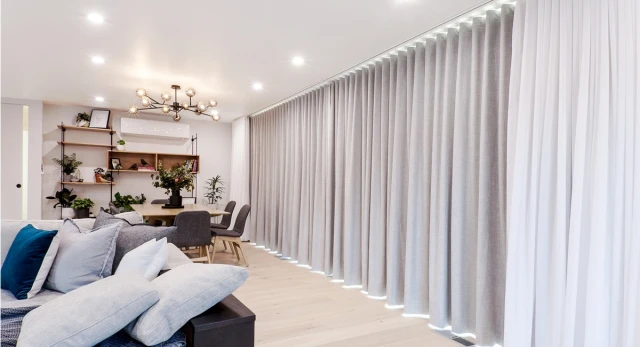
How to use iSeekBlinds blockout and double curtains for comfort, privacy and better room control
Australian homes need to handle hot summer afternoons, cool winter mornings, bright sun, cold glass, streetlights and close neighbours, all while keeping bedrooms restful and living areas comfortable. That is why many people look for thermal curtains. They want a window furnishing that helps the room feel more comfortable, more private and easier to use through different seasons. At iSeekBlinds, the practical thermal curtain solution comes through blockout curtains and double curtains. Blockout curtains help create a stronger barrier at the window. They support privacy, light control, insulation and room comfort. Double curtains add another level of flexibility by combining a softer daytime layer with a blockout night layer.
The goal is year-round comfort: less heat entering through the window in summer, reduced heat loss in winter, stronger room darkening when needed, night-time privacy and a softer daytime finish. Thermal performance matters in both hot and cool weather, particularly where windows are a noticeable source of heat gain or loss.
1. What Are Thermal Curtains?
Thermal curtains are curtains chosen to help improve comfort at the window. In practical terms, this usually means using a fabric and setup that helps reduce heat transfer, improve insulation and create a more comfortable indoor environment. For iSeekBlinds, this points most strongly to Blockout Curtains. Blockout curtains use coated fabrics designed to stop light from passing through. They are made for rooms where privacy, darkness and insulation matter. They can help in summer by adding coverage at the window. They can help in winter by creating a barrier between the room and the glass. The extra fabric may also soften some outside sound, although curtains should not be presented as a dedicated acoustic treatment. This is why thermal curtains are often best understood as a comfort choice, not just a heating or cooling choice.
They help the room feel easier to live in.
2. Start with Blockout Curtains for Thermal Comfort
If thermal comfort is the goal, blockout curtains are the main place to start. iSeekBlinds blockout curtains are designed for strong privacy, room darkening and added insulation at the window. They suit bedrooms, nurseries and media rooms, and can support a more comfortable indoor temperature. The fabric blocks light, but small gaps around the track and edges can prevent complete darkness. This makes them useful in rooms that feel too hot, too cold, too bright or too exposed. They suit:
- •
Main bedrooms
- •
Kids' bedrooms
- •
Nurseries
- •
Guest bedrooms
- •
Media rooms
- •
Street-facing rooms
- •
Living rooms used at night
- •
Rooms with large windows
- •
Rooms with strong afternoon sun
Blockout curtains are especially useful when the window is one of the main reasons the room feels uncomfortable. A bare window can let in too much brightness. A thin fabric may not give enough coverage. A blockout curtain adds a substantial fabric barrier between the room and the glass. That helps the space feel more controlled.
3. Why Blockout Curtains Work Well in Bedrooms
Bedrooms are one of the best places to use thermal curtains. A bedroom needs privacy. Darkness. Comfort. A calmer feeling at night. If the room gets early morning sun, streetlights, neighbour light or cold window exposure, blockout curtains can help make it feel more restful. They also add softness to the room, which can make the bedroom feel warmer and more finished. For bedrooms, blockout curtains can help with:
- •
Night privacy
- •
Room darkening
- •
Morning light control
- •
A more settled sleep environment
- •
Added insulation at the window
- •
A softer and more complete look
This is especially useful for children's rooms, nurseries and main bedrooms where comfort matters every day. For a bedroom comparison, read Curtains vs Roller Blinds for Bedrooms. A thermal curtain choice should not just look good. It should help the bedroom work better.
4. Use Double Curtains for Day and Night Flexibility
Thermal comfort is not always about closing a heavy curtain all day. Many Australian homes need daylight during the day and stronger coverage at night. That is where Double Curtains are useful. Double curtains combine two layers on a double track. A common setup is a sheer curtain at the front and a blockout curtain at the back. The sheer layer can be used during the day to soften sunlight and add daytime privacy. The blockout layer can be closed at night for strong privacy, room darkening and added insulation. This gives the room more control across different times of day. In summer, the blockout layer can help when the room receives harsh sun. In winter, it can help the room feel more protected after dark. Double curtains suit:
- •
Bedrooms
- •
Living rooms
- •
Open-plan spaces
- •
Street-facing windows
- •
Apartments
- •
Nurseries
- •
Media rooms
- •
Large sliding doors
Soft during the day. Covered at night. That is the practical value of layering.
5. Sheer Curtains Help During the Day, But They Are Not Thermal on Their Own
Sheer Curtains are beautiful for daytime softness. They filter daylight, add movement and create daytime privacy. They are especially useful in living rooms, dining areas, open-plan spaces and bedrooms where the room needs a softer look. But sheers are not a complete thermal solution on their own. They are light and open. They are designed for softness, texture and filtered light. They are not designed to provide dependable night-time privacy or room darkening, and they do not add the same substantial barrier as a blockout layer. That does not make them less useful. It just means they should be used for the right purpose. For thermal comfort, sheers are best paired with blockout curtains on a double track. The sheer layer handles the day. The blockout layer handles stronger coverage.
For more sheer guidance, read the Complete Guide to Sheer Curtains .
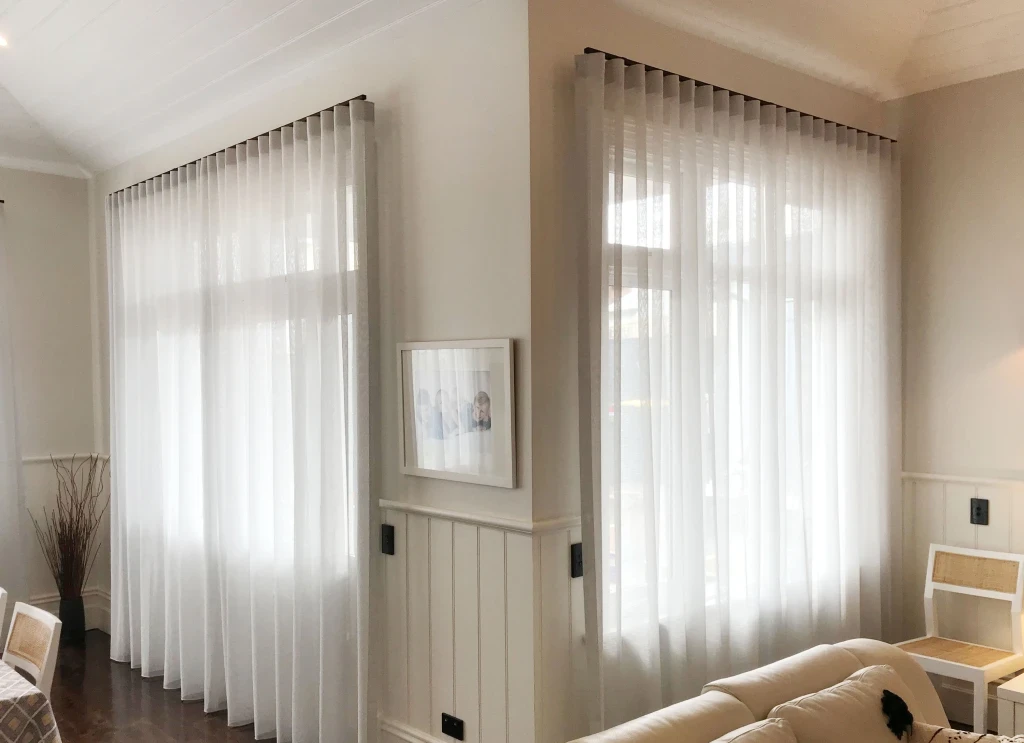
6. Light Filtering Curtains Are Softer Than Blockout
Light Filtering Curtains sit between sheers and blockout curtains. They softly diffuse sunlight and provide more coverage than sheers, although privacy can reduce at night when interior lights are on. They can brighten rooms without harsh glare and suit living areas, dining spaces and offices. They are useful where a room needs more coverage than sheers but does not require blockout fabric. They soften daylight and add a fabric layer, but blockout curtains are the stronger choice when insulation, night-time privacy and room darkening are the priorities. Use light filtering curtains when the room needs:
- •
Soft daylight
- •
Moderate privacy
- •
A gentle fabric finish
- •
Reduced glare
- •
Brightness without harshness
Use blockout curtains when the room needs:
- •
Stronger privacy
- •
Room darkening
- •
Better insulation
- •
More complete coverage
- •
Comfort at night
The best choice depends on the room. Not every room needs the same curtain.
7. Choose the Right Room for Thermal Curtains
Thermal curtains work best where the room has a clear comfort problem. Start with the rooms that need the most help. A bedroom may feel too bright or cold. A nursery may need darkness and comfort. A media room may need strong light control. A living room may feel exposed at night. An open-plan area may have large glass doors that make the space feel less comfortable. Use blockout curtains where comfort, privacy and light control are most important. Use double curtains where the room needs daylight softness and night-time coverage. Use sheers or light filtering curtains in rooms where softness and daytime comfort matter more than insulation. This practical approach helps each room get the right product. For the full curtain range, explore Curtains. Thermal comfort should be chosen room by room.
8. Large Windows and Sliding Doors Need Extra Planning
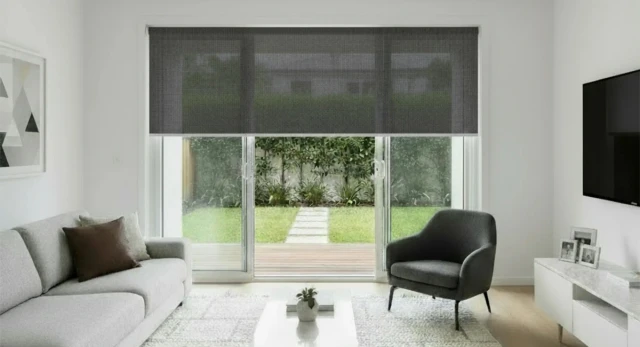
Large windows and sliding doors can make a room feel bright and open. They can also make a room feel hot, cold or exposed. This is where blockout and double curtains can be especially useful. A wide span of fabric across a sliding door can help soften the room and create stronger coverage when needed. For sliding doors, think carefully about:
- •
Track width
- •
Curtain stack
- •
Door access
- •
Whether the curtains open left, right or centre
- •
Whether the room needs one layer or two
- •
Whether motorisation would make daily use easier
- •
Whether the fabric should sit wider and higher than the opening
Double curtains can work beautifully over sliding doors where you want sheers during the day and blockout coverage at night. Blockout curtains can also work well where the main goal is privacy, darkness and comfort. The curtain should help the room feel better. It should not make the door harder to use.
9. Fabric Range Matters
iSeekBlinds blockout curtains are available across designer fabric ranges including Epic, Alaska, Galaxy, Belmore and Soleil. These ranges give you options across colour, texture and finish while keeping the focus on blockout performance. Some rooms need a soft light colour. Others need a warmer neutral. Some modern homes suit deeper greys or darker tones. The fabric colour should work with the room's walls, floors, furniture and lighting. For thermal-style curtains, do not choose fabric by colour alone. Start with function. Then choose the colour. For example:
- •
Bedrooms may suit soft neutrals or darker blockout tones.
- •
Nurseries may suit gentle warm colours.
- •
Media rooms may suit deeper colours.
- •
Open-plan living areas may suit soft warm neutrals.
- •
Modern homes may suit greys or structured neutral tones.
For fabric selection ideas, read Interior Designers Favourite Curtain and Blind Fabrics. The best thermal curtain is still a design choice. It needs to work with the room.
10. Check Fabric Performance and Product Details
Thermal comfort depends on the selected fabric as well as the finished curtain setup. Product ranges and specifications can change, so compare the current blockout options and check the details on the individual product page before ordering. Look for the level of light control, coating or backing, care requirements, colour and texture, then order samples to compare the shortlisted fabrics in your own room. The best choice is the current fabric that delivers the function you need and works with the room palette. Use lighter tones where the room needs softness. Use deeper tones where the room needs more depth or a stronger media-room feeling. The main point is to choose the product that suits the room's purpose. If thermal comfort is the priority, focus on blockout performance, correct measuring and good track placement.
The fabric helps. The fit is central to the result.
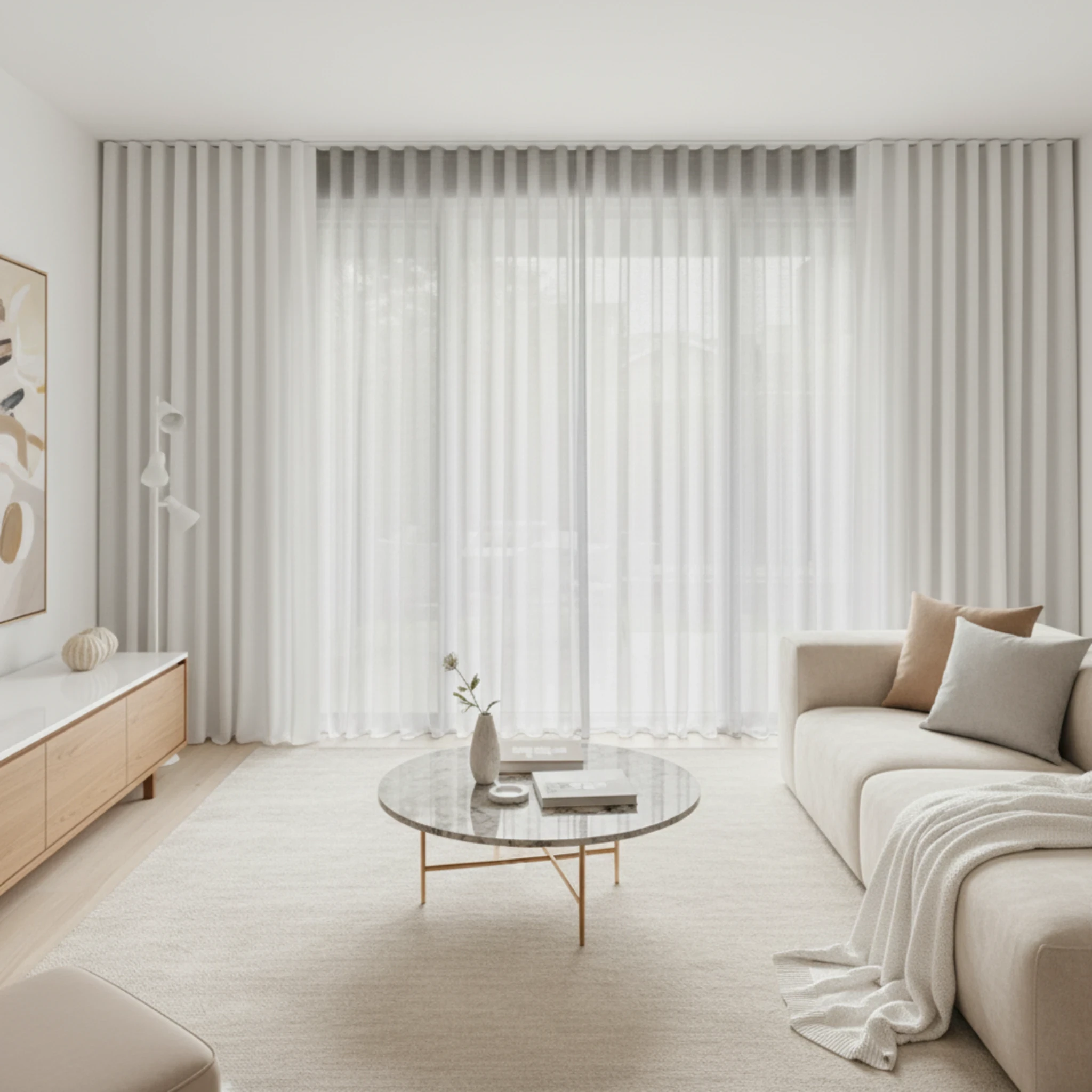
11. Measure Wider and Higher for Better Performance
Thermal curtain performance depends on more than fabric. Measuring and placement matter. If the curtain is too narrow, sits too low or leaves large gaps around the window, it may not perform as well as it should. For blockout curtains, planning generous coverage beyond the glass can help reduce light gaps and improve the fabric barrier, where the wall, ceiling and room layout allow it. That same planning helps the curtain create better coverage at the window. Before ordering, follow the Measure Curtains guide carefully. Think about:
- •
Track position
- •
Width beyond the window
- •
Height above the opening
- •
Curtain drop
- •
Wall or ceiling mount
- •
Stack space
- •
Floor clearance
- •
Door access
- •
Obstructions
- •
Number of panels
Do not guess. Thermal performance depends on the fabric, coverage, window and installation. Coverage depends on measuring.
12. Track Position Affects Comfort
The curtain track is a key part of the setup. A higher track can help the curtain cover more of the window area and make the room look taller. A wider track can allow the curtain to cover beyond the window opening. This can help reduce gaps and create a cleaner finish. Ceiling-mounted curtains can also make a room feel more polished and spacious. Wall-mounted curtains can work well where ceiling mounting is not suitable. For blockout and double curtains, think carefully about where the track should sit before measuring. A good track position helps with:
- •
Light control
- •
Privacy
- •
Curtain stack
- •
Door access
- •
Overall room finish
- •
Coverage around the window
The fabric is only one part of the thermal curtain result. The track matters too.
13. S-Fold Curtains Give a Softer Thermal Finish
iSeekBlinds curtains use an S-Fold style, which creates smooth, even waves across the window. This gives blockout and double curtains a softer, more modern look. This means a curtain chosen for greater coverage does not need to look visually heavy. A blockout curtain can still look clean and soft. A double curtain can still feel modern. The S-Fold style works well in bedrooms, living rooms, nurseries and open-plan spaces. It gives the curtain shape and movement while keeping the finish neat. For more detail on this curtain style, read S Fold Curtains: A Practical Australian Guide. Thermal comfort can still look beautiful.
14. Motorisation Can Make Thermal Curtains Easier to Use
Curtains can only contribute to comfort when they are opened and closed at useful times. This is where motorisation can be useful. iSeekBlinds offers CurtainIQ smart motorisation for curtains. This can be helpful for large windows, hard-to-reach spaces or rooms where the curtains are opened and closed often. Motorised curtains can make it easier to close blockout curtains when the afternoon sun hits or when the room needs privacy at night. They can also make bedrooms easier to use in the morning and evening. Motorisation may suit:
- •
Large sliding doors
- •
Open-plan living areas
- •
Main bedrooms
- •
Hard-to-reach windows
- •
Double curtains
- •
Wide curtain spans
- •
Family homes
It is not needed in every room. For large blockout or double-curtain setups, however, motorisation can make daily operation much easier.
15. Use Samples Before Choosing Colour
Blockout curtains cover a large area when closed. That means colour matters. A fabric that looks soft in a sample may feel stronger across a full wall of curtains. A warm neutral can look different beside timber floors. A grey can shift depending on natural light. A dark fabric can make a room feel cosy, but it may feel too strong in a small space. Before ordering, use Curtain Fabric Samples to compare options in the room. Check the fabric beside:
- •
Wall colour
- •
Flooring
- •
Bedding
- •
Sofa fabric
- •
Cabinetry
- •
Window frames
- •
Rugs
- •
Lighting
Look at the sample during the day and at night. For thermal curtains, function comes first. But the fabric still needs to suit the room.
16. Thermal Curtains for Bedrooms
Bedrooms often benefit from blockout curtains when privacy, room darkening and comfort are priorities. A bedroom needs privacy and comfort after dark. It may also need help with morning light, streetlights or outside noise. Blockout curtains can help create a more restful room by adding strong privacy, room darkening and a fabric barrier at the window. For bedrooms, consider:
- •
Blockout curtains on their own
- •
Double curtains with sheer and blockout layers
- •
A wider and higher track position
- •
Full-length curtains
- •
Soft neutral or deeper restful colours
- •
Motorisation for larger windows
- •
Careful measuring to reduce gaps
In a nursery or child's bedroom, blockout curtains can also help create a calmer room for rest times. A bedroom thermal curtain should feel practical, but not harsh. Soft fabric, good colour and proper fit all matter.
17. Thermal Curtains for Living Rooms
Living rooms need flexibility. They may need daylight during the day and privacy at night. They may need protection from harsh afternoon sun. They may also need a softer, more comfortable evening feel. For living rooms, double curtains are often a strong option. The sheer layer keeps the room bright and soft during the day. The blockout layer gives stronger coverage when needed. Blockout curtains on their own may suit living rooms used as media spaces, rooms with strong sun or spaces where privacy is the main concern. Light filtering curtains may suit living rooms where softness and glare control matter more than insulation. The right choice depends on how the room is used. For open spaces, read Using Curtains for Open-Plan Living.
18. Thermal Curtains for Media Rooms
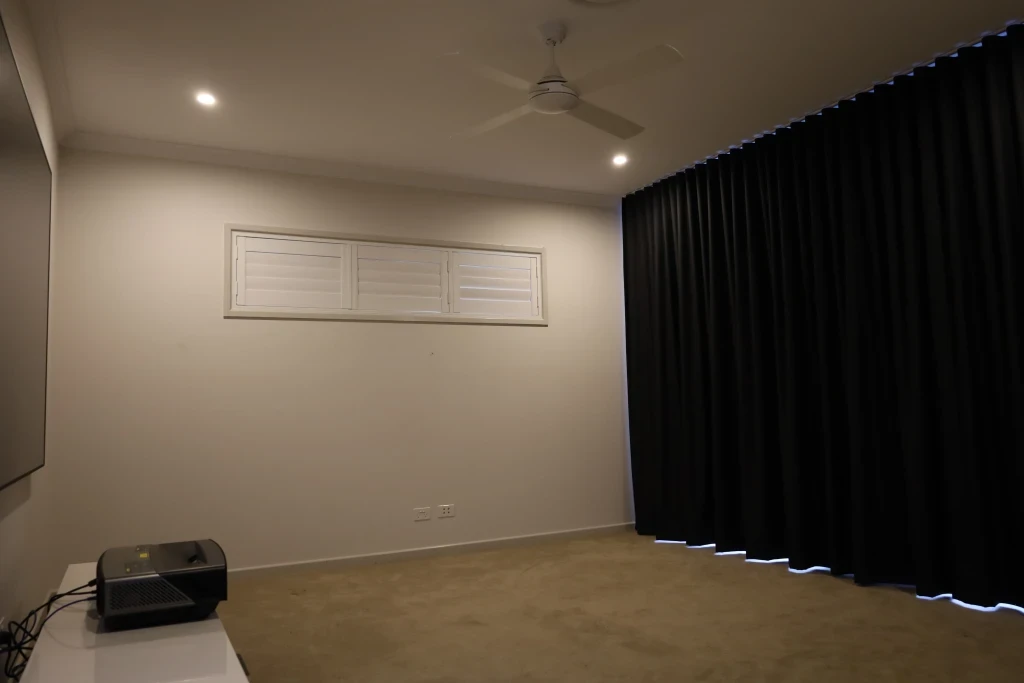
Media rooms need strong light control. They often need a darker, more enclosed feeling. This makes blockout curtains a practical choice. Blockout curtains can help reduce external light and create a better environment for watching TV or movies. Their fabric may soften some sound reflections and make the room feel more settled, but they are not a dedicated acoustic treatment. For media rooms, consider:
- •
Blockout curtains
- •
Deeper fabric colours
- •
Wider and higher track placement
- •
Careful measuring
- •
Motorisation for convenience
- •
Full coverage around the window
This is one room where sheers alone are usually not enough. A media room needs performance. Blockout curtains are the stronger choice.
19. Thermal Curtains for Open-Plan Living
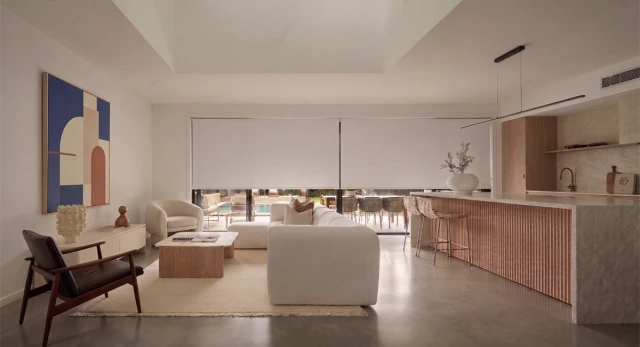
Open-plan rooms often have large windows, glass doors, hard flooring and wide walls. They can feel bright and spacious, but sometimes too hot, too cold or too exposed. Curtains can help soften these large spaces and improve comfort. For open-plan rooms, think about double curtains if the space needs both daytime softness and night-time coverage. A sheer layer can make the room feel calm during the day. A blockout layer can provide strong privacy, room darkening and added insulation when needed. Track and stack planning is especially important in open-plan rooms. The curtains should not block doors, views or walkways when open. They should make the room easier to live in. Not harder.
20. Thermal Curtains Are About the Full Setup
A thermal curtain result comes from the full setup. Not just the fabric. You need the right:
- •
Curtain type
- •
Fabric range
- •
Colour
- •
Track position
- •
Width
- •
Drop
- •
Stack direction
- •
Mounting style
- •
Installation
- •
Daily use
A blockout fabric is important. But poor measuring can leave gaps. A good fabric choice helps. But the wrong track position can reduce coverage. A double curtain system gives flexibility. But only if each layer is used at the right time. Before installing, review the Install Curtains guide. A practical thermal curtain should be planned properly from the start.
Common Mistakes to Avoid
Choosing Sheers as a Thermal Solution on Their Own
Sheers are beautiful for daytime softness, but they are not the strongest choice for insulation, darkness or night-time privacy. Use blockout or double curtains where thermal comfort matters.
Ignoring Track Position
Track placement affects coverage. For better performance, think about mounting wider and higher where suitable.
Choosing Colour Before Function
Start with what the room needs. Privacy. Insulation. Darkness. Comfort. Then choose the fabric colour.
Forgetting About Large Windows
Large windows and sliding doors need extra planning. Consider stack, track width, motorisation and full coverage.
Measuring Too Quickly
Blockout curtains rely on accurate measuring for privacy, insulation and light control. Take your time and follow the guide.
Expecting Fabric Alone to Do Everything
Thermal comfort depends on fabric, fit, track position and installation. The full setup matters.
Quick Thermal Curtain Checklist
Before choosing thermal curtains, ask yourself:
- •
Which room needs better comfort?
- •
Is privacy important?
- •
Do I need darkness?
- •
Is the room too hot, too cold or too bright?
- •
Would blockout curtains suit best?
- •
Would double curtains give better day and night flexibility?
- •
Do I need sheers for daytime softness?
- •
Is light filtering enough, or do I need blockout?
- •
Should the track sit wider and higher?
- •
Is ceiling mount or wall mount better?
- •
Where should the curtains stack?
- •
Would CurtainIQ motorisation make daily use easier?
- •
Have I checked fabric samples?
- •
Have I measured each window carefully?
- •
Have I reviewed the install guide?
These questions help you choose curtains that support comfort, not just style.
Final Thoughts
Well-planned curtains are a practical choice for Australian homes that need better comfort and coverage at the window. At iSeekBlinds, this starts with blockout curtains and double curtains. Blockout curtains provide strong privacy and room darkening while adding an insulating fabric layer at the window. Double curtains add flexibility by combining a soft daytime layer with a stronger blockout night layer. Sheers and light filtering curtains can soften daylight, but they are not the strongest option when thermal comfort is the main goal. For bedrooms, nurseries and media rooms, blockout curtains are usually the strongest starting point. For living rooms and open-plan spaces, double curtains can offer the best day-to-night balance. The best result comes from the complete setup: fabric, track, stack, drop, measuring, installation and daily use.
When these details work together, curtains can help a room feel more private, more comfortable and more complete all year round. Create a more comfortable home with custom blockout curtains or double curtains.
FAQs
'%3e%3cline%20id='Line_28'%20data-name='Line%2028'%20y2='200'%20transform='translate(1580.5%205493.46)'%20fill='none'%20stroke='%23f7941d'%20stroke-width='5'/%3e%3cg%20id='Ellipse_50'%20data-name='Ellipse%2050'%20transform='translate(1559%205665.46)'%20fill='%23171717'%20stroke='%23f7941d'%20stroke-width='5'%3e%3ccircle%20cx='21.5'%20cy='21.5'%20r='21.5'%20stroke='none'/%3e%3ccircle%20cx='21.5'%20cy='21.5'%20r='19'%20fill='none'/%3e%3c/g%3e%3c/g%3e%3c/svg%3e)