'%3e%3ccircle%20id='Ellipse_59'%20data-name='Ellipse%2059'%20cx='3'%20cy='3'%20r='3'%20transform='translate(11%208.786)'%20fill='none'%20stroke='%23f7941d'%20stroke-linecap='round'%20stroke-linejoin='round'%20stroke-width='2'/%3e%3cpath%20id='Path_82'%20data-name='Path%2082'%20d='M14,2A10,10,0,0,0,4,12a8.048,8.048,0,0,0,1.875,5.625L14,27l8.125-9.375A8.048,8.048,0,0,0,24,12,10,10,0,0,0,14,2'%20transform='translate(0%200)'%20fill='none'%20stroke='%23f7941d'%20stroke-linecap='round'%20stroke-linejoin='round'%20stroke-width='2'/%3e%3c/g%3e%3c/svg%3e)


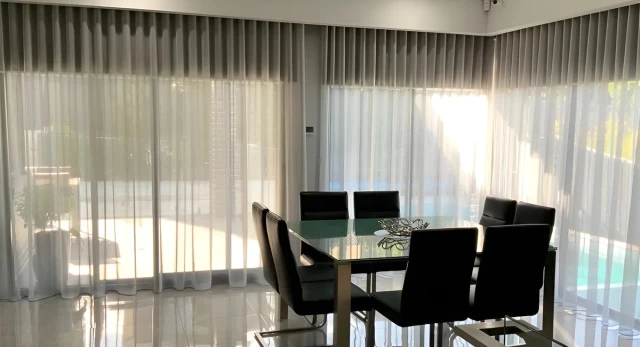
How to use sheer curtains to soften light, add movement and create a more finished Australian home
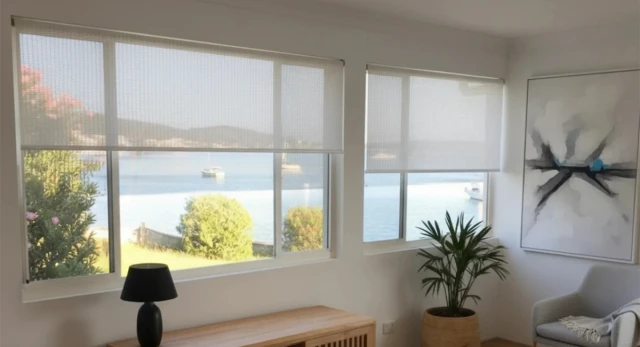
Sheer curtains are one of the easiest ways to make a room feel softer and more complete. They add lightness, movement and texture without needing to feel heavy or dominate the room. That is why sheer curtains work so well in Australian homes. They suit living rooms, bedrooms, dining areas, open-plan spaces, apartments, coastal homes and large windows where the room needs softness without losing natural light. Where a bare window can feel exposed, a sheer curtain adds a calm, relaxed and more considered layer. The key is styling them properly. The fabric, colour, track, stack, drop and layering all change the final result. Sheer curtains are simple, but the details matter.
1. Use Sheer Curtains to Soften Large Windows
Large windows are beautiful, but they can make a room feel exposed or unfinished. This is especially common in Australian homes with sliding doors, open-plan living areas, large bedroom windows or garden-facing glass. Custom Sheer Curtains can help soften these large areas without blocking the light. They place a gentle fabric layer across the window, soften the hard look of bare glass and make the room feel more relaxed. Sheers are especially useful when the window is a major feature but still needs softness. Instead of covering the view completely, they help frame it and make it feel calmer. This works well in:
- •
Living rooms
- •
Dining rooms
- •
Bedrooms
- •
Open-plan spaces
- •
Apartments
- •
Sliding door areas
- •
Coastal-style homes
The larger the window, the more impact sheers can have. They turn plain glass into part of the room’s design.
2. Choose S-Fold Sheers for a Clean Modern Look
S-Fold sheer curtains are popular because they create smooth, even waves. This style feels modern, soft and controlled. It suits Australian interiors because it gives the window movement without looking busy or old-fashioned. S-Fold sheers work well with simple furniture, neutral walls, timber floors, black window frames, white walls and open-plan layouts. The folds help the fabric fall neatly from top to bottom. This gives the room a more polished finish. For a clean look, keep the styling simple. Choose a soft fabric, a track configuration that suits the room and a deliberate drop, then let the clean S-Fold heading provide the detail. The best sheer curtain styling may look effortless, but it still benefits from careful planning. For hardware guidance, read Best Curtain Rods and Tracks for Sheer Curtains.
3. Style Sheers from Ceiling to Floor
One of the most effective ways to style sheer curtains is to hang them high. A track mounted closer to the ceiling can make the room feel taller and more finished. It draws the eye upward and helps the curtain feel like part of the architecture, not just something added to the window. This works especially well in:
- •
Living rooms
- •
Bedrooms
- •
Open-plan areas
- •
Apartments
- •
Rooms with standard ceiling heights
- •
Rooms with sliding doors
- •
Large glass areas
A ceiling-height sheer curtain can make a simple room feel softer and more elegant. The drop also matters. A skim drop gives a clean, practical finish just above the floor. A kiss drop lightly touches the floor and feels softer. A puddle drop gives a more relaxed, decorative finish but may not suit busy homes, pets or high-traffic areas. For most homes, a skim or kiss drop is usually the easiest to live with. Before ordering, follow the Measure Curtains guide so the height, width and track position are planned correctly.
4. Use Sheers to Create Daytime Privacy
Sheer curtains are a practical styling choice because they can improve daytime privacy while keeping the room bright. The result depends on the weave, lighting and how close the view is to the window. This is useful in homes that face:
- •
Streets
- •
Neighbours
- •
Driveways
- •
Shared fences
- •
Balconies
- •
Outdoor entertaining areas
- •
Apartment walkways
Sheers soften the view into the room during the day, which can make the space feel more comfortable and less exposed. This is one reason they are so popular in living rooms and open-plan areas. They allow the room to stay light while making it feel less open to outside views. It is important to remember that sheers are not full night-time privacy curtains. When lights are on inside at night, they will not provide the same level of coverage. If night-time privacy matters, use a second layer. That is where double curtains can help.
5. Layer Sheers with Blockout Curtains
Sheers are beautiful during the day, but many rooms need stronger privacy and coverage at night. Layering solves that. Double Curtains usually combine a sheer curtain layer with a blockout curtain layer. This gives the room more flexibility. The sheer layer softens daylight. The blockout layer provides strong night-time privacy and room darkening. The fabric blocks light, although small gaps around the track and edges can still allow some light into the room. This works especially well in:
- •
Bedrooms
- •
Nurseries
- •
Guest rooms
- •
Living rooms
- •
Street-facing windows
- •
Apartments
- •
Open-plan areas used at night
Layered curtains can also give the room a more considered finish. The window has more depth, the fabric feels more considered and the room becomes more comfortable across the whole day. For more styling guidance, read Why Layering Curtains Is Back in Trend. The sheers provide the soft daytime layer, while blockout curtains add strong privacy and light control when needed.
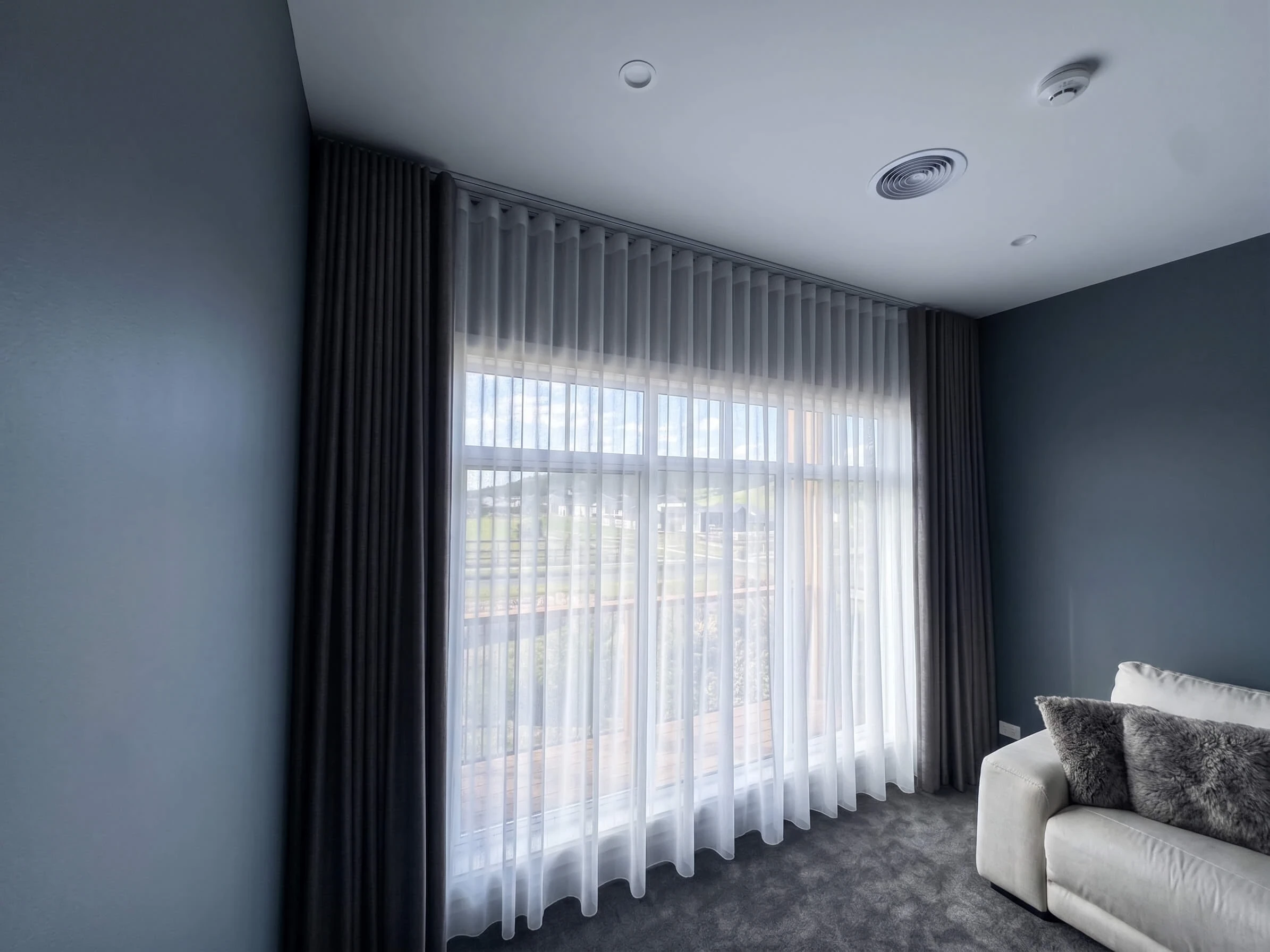
6. Use Sheers in Open-Plan Living Areas
Open-plan living areas often need softness. They usually include hard floors, stone benchtops, cabinetry, glass doors and large open walls. These finishes can look beautiful, but the room can sometimes feel hard or visually unfinished. Sheer curtains can help balance that. Sheers soften the glass, add movement and help define the living or dining zone without closing the room in. For open-plan spaces, sheers often work best across the main sliding doors or large window area. This creates a soft backdrop that connects the room. The kitchen, dining and living zones remain open, while the fabric makes the shared space feel more comfortable. For more ideas, read Using Curtains for Open-Plan Living. Sheers are a simple way to make a large open room feel more liveable.
7. Choose the Right Sheer Colour
Colour changes the whole feeling of sheer curtains. A light sheer can make the room feel bright and airy. A warm natural sheer can make the space feel relaxed and soft. A grey sheer can suit modern interiors. A deeper sheer can add contrast and mood. The best colour depends on the room’s walls, floor, furniture, window frames and natural light. For a fresh look, use light sheer colours. For a relaxed Australian look, use warm natural tones. For a modern space, use soft greys or deeper colours. For a coastal room, use soft whites, off whites, linen-style tones and natural sheers. Always choose colours that are available in the iSeekBlinds sheer curtain range and check samples in your own room before ordering. For detailed colour guidance, read Sheer Curtain Colour Ideas for Australian Interiors.
A good sheer colour should support and soften the room rather than fight with it.
8. Match Sheers with Natural Textures
Sheer curtains work beautifully with natural materials. They suit Australian homes that use timber, linen, rattan, stone, wool, jute, leather, soft rugs and indoor plants. This is why sheers are often used in coastal, organic modern, relaxed contemporary and family interiors. A sheer curtain can make natural textures feel softer and more connected. For example:
- •
Timber floors feel warmer with soft sheers.
- •
Stone benchtops feel less hard beside sheer fabric.
- •
Linen sofas feel more relaxed with a matching soft window layer.
- •
Rattan or woven furniture feels more balanced with natural-toned sheers.
- •
Indoor plants look beautiful against filtered daylight.
The curtain does not need to be the feature. It can be the soft background that helps the rest of the room work. For fabric ideas across curtain and blind ranges, read Interior Designers Favourite Curtain and Blind Fabrics.
9. Use Sheers to Frame Sliding Doors
Sliding doors are one of the best places to use sheer curtains. They often connect the living area to a patio, deck, balcony or garden. They bring in plenty of light, but they can also make the room feel exposed. Sheers help soften that large glass area. They dress the door, reduce the bare look of the room and still allow natural light to filter through. When styling sheers over sliding doors, think carefully about the stack. The curtain should not block the main door opening when open. It should sit neatly to the side or split from the centre, depending on how the door is used. Also think about track position. A ceiling-mounted track can make the sliding door area feel taller and more polished.
A wall-mounted track can also work well when ceiling mounting is not suitable. The aim is simple: Soften the glass without making the door harder to use.
10. Style Sheers in Bedrooms for Softness
Sheer curtains can make bedrooms feel calm and relaxed. They soften the window during the day and create a gentle backdrop behind the bed, side tables or seating area. They are especially useful in bedrooms that feel too plain, too bright or too exposed. Sheers can suit:
- •
Main bedrooms
- •
Guest bedrooms
- •
Coastal bedrooms
- •
Nurseries
- •
Kids’ rooms
- •
Apartments
- •
Bedrooms with large windows
But sheers should not be the only layer if privacy or darkness matters at night. For most bedrooms, pair sheers with Blockout Curtains or another privacy layer. This gives you softness during the day and stronger coverage at night. For more bedroom comparison advice, read Curtains vs Roller Blinds for Bedrooms. A bedroom should feel soft, private and restful.
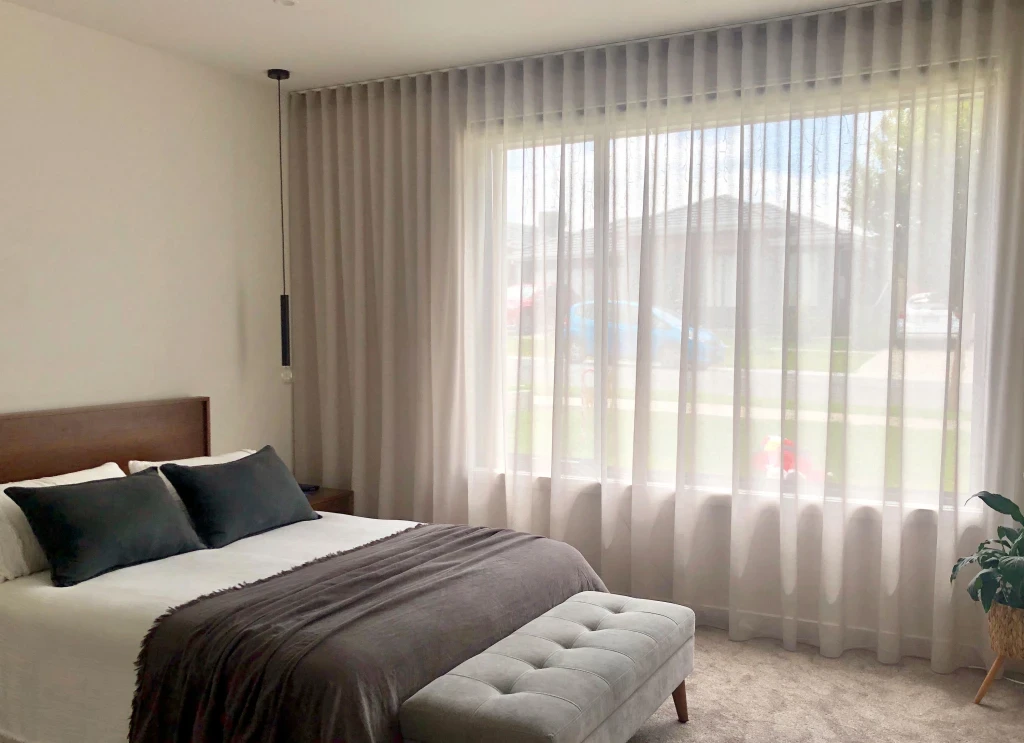
11. Use Sheers as a Feature Without Strong Colour
Sheers can create a feature without needing bold colour or pattern. The movement, height and texture of the fabric can be enough. This is useful in homes where the design is simple and calm. Instead of choosing a strong curtain colour, you can create interest through:
- •
Full-height curtains
- •
S-Fold styling
- •
Soft texture
- •
Natural fabric tones
- •
Wide coverage
- •
Ceiling-mounted tracks
- •
Layering with blockout curtains
- •
A beautiful curtain stack
This creates a quiet feature. The room feels more considered without becoming busy. This style suits modern Australian homes because it adds softness while keeping the overall look clean. The window gains interest without taking over the room.
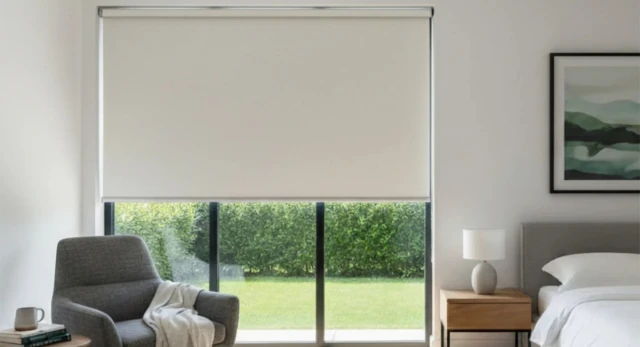
12. Pair Sheers with Roller Blinds Where Needed
Sheers can also work with roller blinds. This is useful when the room needs practical privacy or blockout control, but you still want the softness of curtains. For example, a bedroom may use a blockout roller blind for night-time privacy and a sheer curtain for daytime softness. A living room may use a roller blind for glare control and sheers for texture and style. This combination can work well when you want:
- •
Practical light control
- •
Soft fabric movement
- •
A layered window look
- •
Day and night flexibility
- •
A clean modern finish
- •
Less curtain bulk than double curtains
The key is making sure each layer has a purpose. The roller blind provides the required privacy, glare reduction or room darkening, depending on the fabric selected. The sheer curtain adds softness and height. For broader roller blind options, explore Roller Blinds. Curtains and blinds can work together when the room needs both function and softness.
13. Keep the Styling Simple
Sheer curtains usually look best when the styling is simple. They already bring softness and movement, so they do not need heavy accessories or complicated details. A clean track, soft colour, full-height drop, neat stack and simple S-Fold finish are usually enough. Avoid over-styling sheers with too many decorative elements around the window. Let the fabric do the work. This is especially important in modern, coastal and open-plan homes where the window treatment should feel calm and easy. Sheers should make the room feel softer, not busier.
14. Choose Samples Before Finalising the Look
Sheer curtains change with light. A colour can look fresh in the morning, warmer in the afternoon and different again at night under artificial light. Texture can also look stronger once the fabric is made into a full curtain. Before choosing, order Curtain Fabric Samples and check them in the actual room. Hold samples beside:
- •
Wall paint
- •
Flooring
- •
Window frames
- •
Sofa fabric
- •
Bedding
- •
Rugs
- •
Cabinetry
- •
Tiles
- •
Timber finishes
Check them at different times of day. This is especially important if you are choosing a warm natural sheer, grey sheer, deeper sheer or feature colour. Samples help you avoid surprises. They also help the final room feel more considered.
15. Plan the Install Before Ordering
A beautiful sheer curtain depends on good planning. Before ordering, think about where the track will sit, how the curtain will open and where the fabric will stack. Check for:
- •
Cornices
- •
Air-conditioning vents
- •
Door handles
- •
Window winders
- •
Nearby furniture
- •
Sliding door access
- •
Wall space beside the window
- •
Ceiling or wall mounting suitability
- •
Floor clearance
- •
Power points or fixtures
Before installation, review the Install Curtains guide so the process feels clear. Sheers may look soft and simple, but the best result comes from careful setup. The track should be level and secure, the curtain should glide smoothly, the stack should sit where it makes sense and the drop should suit the room. When these details are right, the final look feels effortless.
Common Mistakes to Avoid
Using Sheers Alone for Night Privacy
Sheers are mainly a daytime layer. They soften light and can improve daytime privacy, but they are not a dependable night-time privacy solution.
Choosing the Wrong Colour for the Room
A sheer colour can change once it sits beside walls, floors and furniture. Always check samples first.
Hanging the Track Too Low
Track height influences the proportions of the window. A high wall mount or ceiling mount often creates a polished, full-height look, provided it suits the room and fixing surface.
Forgetting the Stack
Curtains need somewhere to sit when open. Plan the stack so it does not block sliding doors, views or walkways.
Over-Styling the Window
Sheers work best when the styling is simple. Avoid making the window look too busy.
Measuring Too Quickly
Curtain size, drop and track position all matter. Measure carefully before ordering.
Quick Sheer Curtain Styling Checklist
Before styling a room with sheer curtains, ask yourself:
- •
What room am I styling?
- •
Do I want softness, privacy or both?
- •
Is night-time privacy important?
- •
Do I need a second layer?
- •
Would double curtains suit the room?
- •
Should the track be ceiling-mounted?
- •
Where should the curtains stack?
- •
Will the stack block a door or view?
- •
What drop style suits the space?
- •
Which sheer colour works with the walls and floor?
- •
Does the fabric suit the furniture?
- •
Have I ordered samples?
- •
Have I measured carefully?
- •
Have I checked the install guide?
These questions help you choose sheer curtains that look beautiful and work properly.
Final Thoughts
Sheer curtains are a simple way to make Australian interiors feel softer, calmer and more finished. They soften daylight, add movement, improve daytime privacy in suitable lighting and help large windows feel less exposed. They suit bedrooms, living rooms, open-plan spaces, apartments, coastal homes and modern interiors. The best styling comes from thoughtful choices. Use S-Fold sheers for a clean modern look. Hang them high for height and softness. Choose colours that suit the walls, flooring and furniture. Layer them with blockout curtains where night-time privacy matters. Plan the track, stack and drop before ordering. Sheers do not need to be complicated. They just need to be chosen well. With the right fabric, colour and setup, sheer curtains can make the whole room feel more relaxed, more polished and easier to live in.
Create a softer home with custom sheer curtains.
FAQs
'%3e%3cline%20id='Line_28'%20data-name='Line%2028'%20y2='200'%20transform='translate(1580.5%205493.46)'%20fill='none'%20stroke='%23f7941d'%20stroke-width='5'/%3e%3cg%20id='Ellipse_50'%20data-name='Ellipse%2050'%20transform='translate(1559%205665.46)'%20fill='%23171717'%20stroke='%23f7941d'%20stroke-width='5'%3e%3ccircle%20cx='21.5'%20cy='21.5'%20r='21.5'%20stroke='none'/%3e%3ccircle%20cx='21.5'%20cy='21.5'%20r='19'%20fill='none'/%3e%3c/g%3e%3c/g%3e%3c/svg%3e)