Blockout curtains can help manage heat gain and heat loss at windows, but they cannot guarantee a lower energy bill. Large panes of glass can allow unwanted heat into a room during summer and let indoor warmth escape during winter. That can make heating and cooling work harder to maintain a comfortable temperature. They work as an additional fabric layer between the room and the glass and should complement, rather than replace, efficient glazing, insulation, draught sealing and suitable heating or cooling. Used at the right time, blockout curtains can help reduce heat gain in warm weather and slow heat loss during cooler conditions. That may reduce how hard your heating or cooling needs to work.
Whether that results in a noticeable reduction in your energy bill depends on your home, windows, climate, curtain setup and how you use them.
Why Windows Affect Indoor Temperature
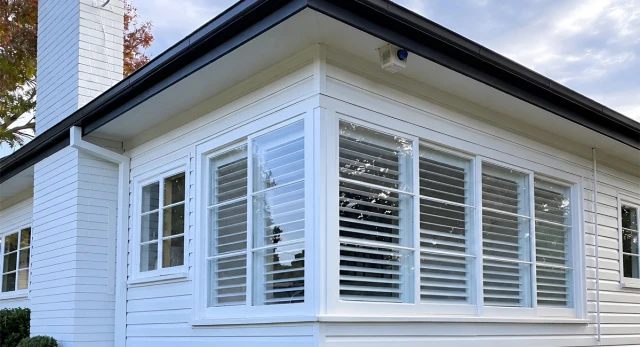
Glass connects the inside of your home directly with outdoor conditions. In summer, strong sunlight can heat the glass and the room behind it. This can be especially noticeable on west-facing windows in the afternoon and unshaded north-facing glazing that receives strong sun. During winter, the opposite problem can occur. Warm indoor air meets a much colder window surface, and heat can be lost through the glass. The result is a room that can feel:
- •
Hotter in summer
- •
Colder in winter
- •
Less comfortable close to windows
- •
More dependent on air conditioning or heating
Window furnishings cannot change the construction of the glass. What they can do is add another layer on the room side of the window.
How Blockout Curtains Can Help
iSeekBlinds Blockout Curtains use opaque fabrics designed for strong privacy and room darkening. When closed, the full-length fabric adds separation between the room and the glass and can help slow heat transfer. In summer, closing blockout curtains before strong sun begins heating a window can help limit how much of that heat affects the room. In winter, closing them during colder periods can help retain more of the warmth already inside. The key is timing. A curtain cannot help much if it remains open during the period when the window is creating the biggest temperature problem.
Can Blockout Curtains Actually Lower Energy Bills
They may contribute to lower heating or cooling demand, but there is no reliable way to promise that every household will save a particular amount. Energy use depends on many things:
- •
Window size
- •
Window orientation
- •
Glass type
- •
Existing insulation
- •
Outdoor temperature
- •
Heating and cooling system
- •
Thermostat settings
- •
Curtain fit
- •
How often the curtains are used
- •
Electricity or gas tariffs
The benefit comes from reducing the heating or cooling load around the window. If a room remains more comfortable for longer, the air conditioner or heater may not need to work as hard. That is where potential energy savings come from. Treat blockout curtains as one part of the home's broader approach to glazing, insulation, shading, draught control and heating or cooling.
Summer Heat Control
In hot weather, timing matters. Waiting until the room is already uncomfortable means the heat has already entered. If a window receives strong direct sun, close the blockout curtain before the hottest part of the day. This is particularly useful for:
- •
West-facing bedrooms
- •
Sunny living rooms
- •
Large sliding doors
- •
Home offices
- •
Rooms that become uncomfortable in the afternoon
Once direct sun has passed, you can open the curtains again if outside conditions are suitable. Closing the curtains before direct sun heats the room can reduce the cooling load, although external shading is generally more effective because it stops solar heat before it reaches the glass.
Winter Heat Retention
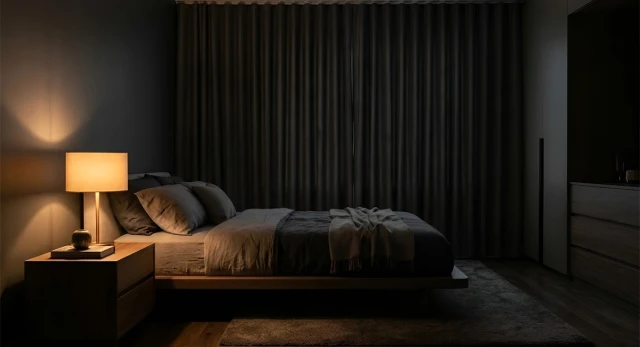
During colder weather, the goal changes. If sunlight is warming the room during the day, leaving the curtains open can allow that natural warmth inside. Once the sun disappears and the temperature falls, closing the blockout curtains can help create another barrier between the heated room and the cold window. This is especially useful overnight. Bedrooms often have curtains closed anyway for privacy and darkness, so the thermal benefit fits naturally with the way the room is already used. Living areas can follow a similar routine. Open when useful winter sun is available. Close when the glass becomes a source of heat loss.
Curtain Coverage Matters
The fabric itself is only one part of the result. How the curtain covers the window also matters. A track planned high and wide can provide more useful coverage than a curtain that barely extends beyond the glass. Reducing unnecessary exposed areas around the window helps create a more effective barrier. S-Fold curtains are not airtight, so some air movement and heat transfer will still occur around the edges. Generous coverage can nevertheless improve both appearance and thermal performance. Use the iSeekBlinds Curtain Measuring Guide when planning track width, drop and stack-back.
Large Windows Have More to Gain from Good Management
The more glass a room has, the more noticeable temperature changes can become. Large sliding doors and full-height windows are great for natural light, but they also create a large area where outdoor conditions can affect the interior. This makes window management particularly important in:
- •
Open-plan living areas
- •
Rooms with large sliding doors
- •
Master bedrooms
- •
Media rooms
- •
Homes with floor-to-ceiling glazing
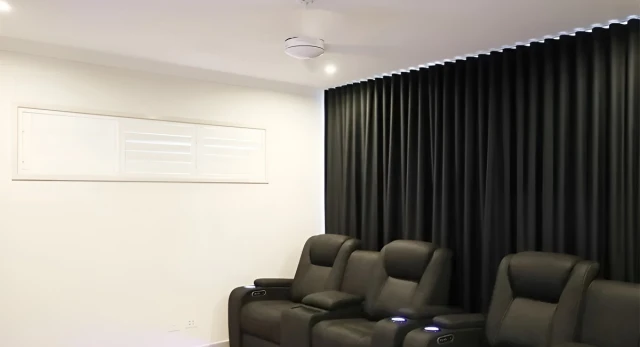
Full-length blockout curtains can cover these large openings when stronger temperature control is needed. During mild weather, simply open them and enjoy the glass.
What About Double Curtains
A Double Curtain system combines a sheer or light-filtering layer with a blockout layer. This gives you more flexibility throughout the day. During mild daylight, the sheer layer can soften harsh light while keeping the room bright. When strong sun, heat, cold or night-time privacy becomes the priority, close the blockout curtain. This lets you manage the room without leaving a blockout curtain closed all day. The additional fabric layer may improve comfort at the window, although performance still depends on the glazing, curtain coverage and air movement around the edges. For homes where comfort, privacy and styling all matter, double curtains can be a practical year-round solution.

Sheer Curtains Have a Different Job
Sheer Curtains soften natural light and can improve daytime privacy, depending on the fabric, lighting and viewing distance. They should not be treated as a replacement for a more substantial blockout layer when thermal coverage is the priority. A sheer is deliberately lightweight and open. Its main role is:
- •
Soft daylight
- •
Daytime privacy
- •
Texture
- •
Movement
- •
Interior styling
The blockout layer provides stronger privacy, room darkening and a more substantial fabric barrier when closed. This is why the two products work so well together rather than competing with each other.
Blockout Curtains vs Blockout Roller Blinds
Both can add another layer at the window. Blockout Roller Blinds are compact, simple and practical. Blockout curtains offer full-length fabric coverage and can extend wider than the window opening. Which is better depends on the room. A roller blind may suit a smaller window where you want a minimal look. Curtains can work especially well across larger windows, sliding doors and rooms where you also want softness and interior styling. Some homes use both. Choose the window furnishing around the size and use of the opening rather than assuming one product will perform best in every installation.
Energy Efficiency Is About Behaviour Too
A high-performing curtain will not help much if it is never used at the right time. Simple habits can make the window furnishing more effective. In summer:
- •
Close blockout curtains before intense direct sunlight
- •
Reopen them when the sun has passed if conditions outside are cooler
- •
Avoid cooling an empty room unnecessarily
In winter:
- •
Open curtains when useful sunlight can warm the room
- •
Close them as temperatures fall
- •
Keep them closed overnight where privacy is required anyway
The main requirement is to operate the curtains in response to the weather and the direction of the sun.
Can Motorisation Help
Motorisation does not make the fabric itself more insulating. What it can do is make the curtains easier to operate consistently. If a large curtain is easy to open and close, you may be more likely to use it at the right times. This can be useful for:
- •
Large windows
- •
Hard-to-reach curtains
- •
Busy households
- •
Regular morning and evening routines
The current iSeekBlinds blockout curtain range can be configured with CurtainIQ motorisation. Any potential energy benefit comes from more consistent curtain use, not from the motor itself.
Do Blockout Curtains Replace Insulation
No. Blockout curtains should complement the home's thermal performance. They do not replace:
- •
Ceiling insulation
- •
Wall insulation
- •
Efficient glazing
- •
Draught sealing
- •
External shading
- •
Efficient heating and cooling
If your home has major thermal problems, curtains alone will not solve them. But windows are still worth managing. Even a well-insulated home can feel uncomfortable beside large areas of exposed glass. For a more detailed explanation of using curtains specifically for year-round temperature control, see Thermal Curtains: A Practical Australian Guide.
Other Benefits Come with the Same Curtain
Alongside any thermal benefit, the same curtain can provide:
- •
Strong night-time privacy
- •
Room darkening
- •
A darker sleeping environment
- •
Reduced glare
- •
Protection from harsh sunlight
- •
Softer interior styling
- •
Coverage for large windows
These benefits apply across different times of day and seasons, even when any change to energy use is difficult to measure.
Do Not Buy Blockout Curtains Only for a Promised Payback
Avoid choosing curtains on the basis of a promised payback period or guaranteed bill reduction. Your energy bill is influenced by too many variables. A more practical way to think about it is:
- •
Will these curtains help make the room easier to keep comfortable?
- •
Will they reduce the amount of direct summer heat affecting the space?
- •
Will they add another barrier against cold glass in winter?
- •
Will I actually close them when those benefits are useful?
If the answer is yes, they may help reduce unnecessary heating and cooling demand. Any financial saving is then a result of how your individual home responds.
Choosing Blockout Curtains for an Energy-Conscious Home
If thermal performance is important, think about the whole setup. Consider:
- •
Which windows receive the strongest sun
- •
Which rooms become too hot or cold
- •
Window size
- •
Curtain width and drop
- •
Whether double curtains would provide better flexibility
- •
When the curtains will normally be open or closed
- •
Whether motorisation would help you operate large curtains regularly
The most useful solution provides appropriate coverage and operation while still suiting the room in which it will be used every day.
Final Thoughts
Blockout curtains may help with energy bills indirectly by reducing unwanted heat gain or heat loss at the window. Blockout curtains add another layer between your room and the window. Used properly, they can help reduce unwanted summer heat and slow heat loss during cooler conditions. That can make indoor temperatures easier to manage. If the heater or air conditioner then needs to work less, energy use may reduce. How much depends entirely on the home. The same curtains also provide strong privacy, room darkening, glare control and the softer finish of full-length fabric. For the full product overview, fabric choices and buying information, read the Complete Guide to Blockout Curtains. If thermal performance is your main priority, continue to Thermal Curtains: A Practical Australian Guide.
Blockout curtains will not fix every thermal problem, but they can make exposed windows easier to manage as part of a broader energy-efficiency plan.
FAQs